Plant Care
How to Raise Humidity for Indoor Plants
Learn practical ways to increase humidity for houseplants, from pebble trays to humidifiers, so your tropical plants stop getting crispy edges.
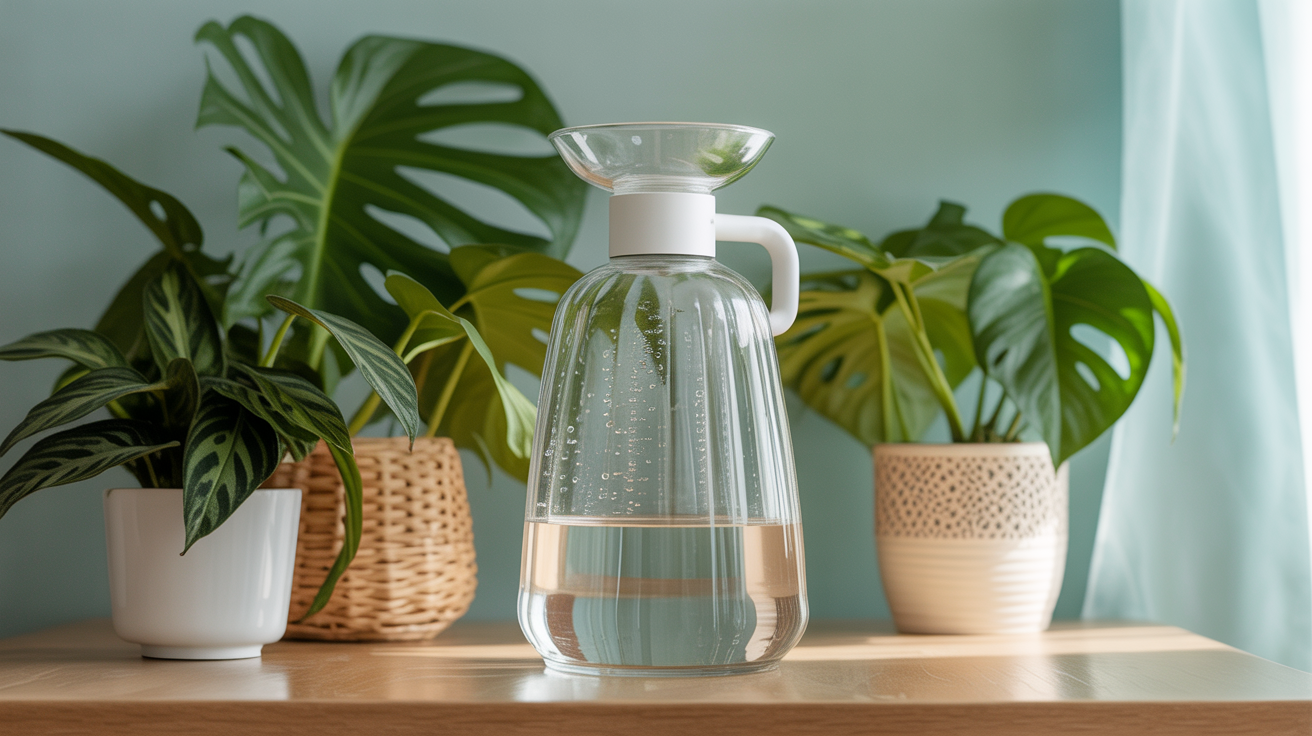
Most homes sit somewhere between 30% and 50% relative humidity, and that range works fine for people. Many tropical houseplants, though, come from environments where humidity runs considerably higher. When the air in your home is too dry, you'll often see it first on the leaves: brown, crispy tips, curling edges, or a general look of defeat. Raising the humidity around your plants doesn't have to be complicated. A few targeted changes make a real difference.
At a Glance
- Most tropical houseplants want 40-60% relative humidity; calatheas, ferns, and orchids often want 60% or higher.
- Cacti, succulents, snake plants, and ZZ plants tolerate 10-30% humidity and don't need any intervention.
- A pebble tray raises humidity a few inches around a pot, not a whole room. Grouping plants does the same thing on a larger scale, for free.
- A humidifier is the only method that reliably changes room-level humidity, not just the air right around one plant.
- Misting raises humidity for less than an hour, so treat it as a ritual, not a fix, for plants that genuinely need more moisture in the air.
- Measure before you buy anything. A cheap hygrometer tells you whether you actually have a humidity problem or something else.
How Much Humidity Do Your Houseplants Actually Need?
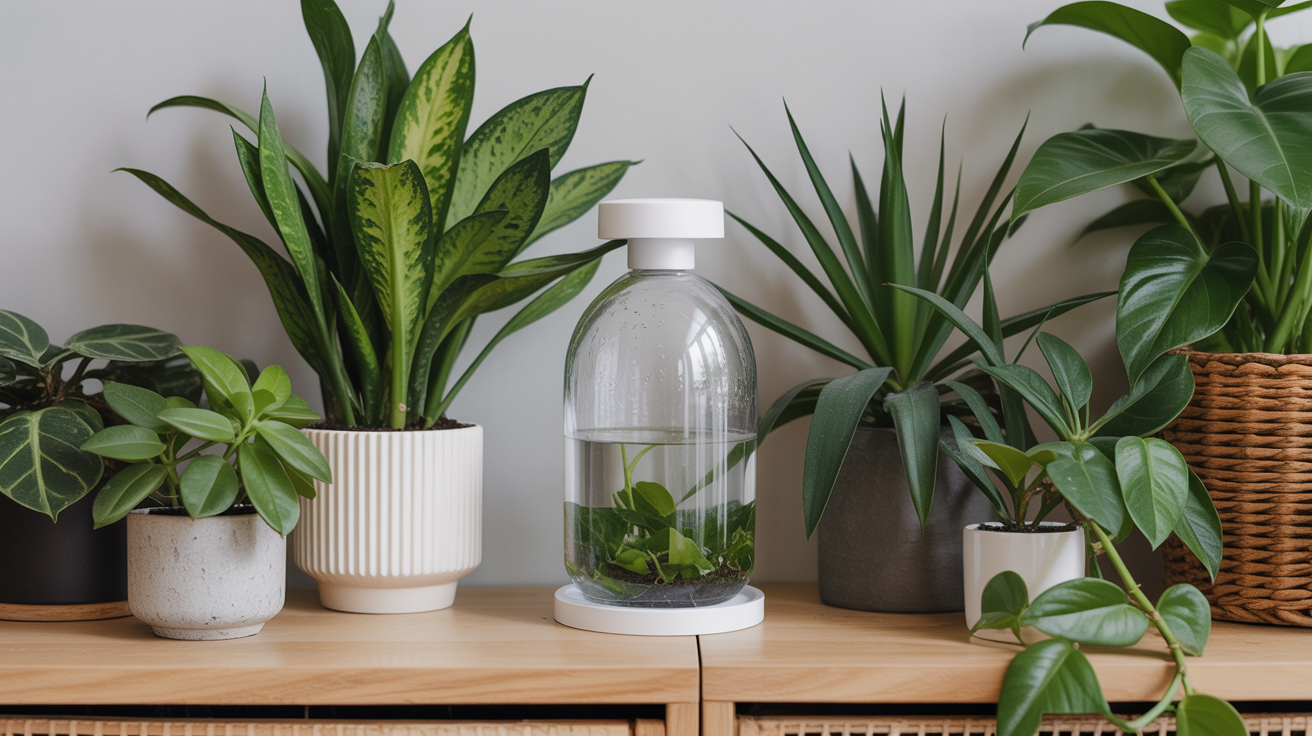
The answer varies by plant, and the range is wider than most people expect. A cactus or snake plant is perfectly content in dry air. A calathea or bird-of-paradise is not, and will show it within days of moving somewhere drier.
As a rough guide:
- Low humidity tolerant (10-30%): succulents, cacti, snake plants, ZZ plants, pothos
- Moderate humidity (40-60%): most tropical foliage plants, ferns, peace lilies, spider plants
- High humidity (60%+): calatheas, orchids, air plants, most ferns and aroids
University of Minnesota Extension notes that cacti and succulents are well adapted to homes where relative humidity runs as low as 10 to 30%, which is why they're the one category you genuinely don't need to worry about. On the other end, NC State Extension's calathea profile recommends keeping humidity above 60% for calatheas specifically, using a humidifier or a wet pebble tray to get there. That's a wide gap between the two ends of the houseplant world, and it's the reason a single humidity strategy doesn't work for every plant in the house.
If your plant keeps getting crispy leaf tips despite good watering habits, low humidity is often the reason. (Before blaming humidity, though, rule out fluoride sensitivity or inconsistent watering. Our guide on how often to water houseplants covers the watering side of that equation.)
Reading the Signs
Humidity stress looks different from other problems. Low humidity typically causes:
- Brown, papery tips that feel dry and crumble
- Crispy leaf edges on otherwise healthy-looking plants
- Flower buds dropping before they open
- Leaves curling inward (the plant is trying to reduce moisture loss)
- New leaves emerging smaller than the ones before them, a slower-to-notice sign than crispy tips but a real one
Yellow leaves point more toward overwatering or root issues, not humidity. Keep the two separate when you're diagnosing. A useful rule: humidity damage almost always shows up at the tips and edges first, while overwatering damage tends to start with whole leaves yellowing from the base of the plant outward.
The Pebble Tray Method
A pebble tray is the method you'll see recommended most often, and it genuinely works, with some caveats about how much it can actually move the needle.
To set one up: fill a shallow tray or saucer with pebbles, add water until it reaches just below the top of the pebbles, then set your pot on top so it sits above the waterline. As the water evaporates, it raises humidity in the immediate airspace around the plant.
What a Pebble Tray Can and Cannot Do
The local humidity boost is real but modest. A pebble tray won't transform a 30% room into a 60% room. What it does is create a slightly more humid microclimate a few inches around the base of the plant, typically a 5-10 percentage point lift right at leaf level. For plants that need a modest lift (think a parlor palm or a pothos), that's often enough. For a calathea that really wants 60%+, a pebble tray alone usually won't cut it, and you'll want to pair it with grouping or a humidifier.
A few things to watch: make sure the pot base never touches the water directly. Roots sitting in water cause rot quickly, which defeats the whole purpose. Refresh the water every week or two and rinse the pebbles occasionally to prevent algae buildup. A tray that's gone slimy or has a sour smell is overdue for a full scrub with diluted vinegar, not just a water change.
Group Your Plants Together
Plants transpire, releasing water vapor through their leaves as part of their normal process. Put several plants together and they create a shared microclimate that's measurably more humid than a single plant on an isolated shelf. Five or six medium plants clustered on one shelf can lift the humidity in that immediate pocket of air by several percentage points compared to the same plants spread across a room.
This doesn't require any purchases. Just cluster your more humidity-loving plants on the same surface or shelf. A bathroom with decent natural light is a natural candidate, since showers add real moisture to the air. A kitchen window works similarly.
Grouping has another benefit: plants that share space are easier to check all at once, and you'll often catch early pest problems because you're looking at several plants in one spot. Keep new plants quarantined for a couple of weeks before adding them to the group, though, to avoid spreading anything.
Do Plants Need a Humidifier?
If you're growing orchids, calatheas, ferns, or other humidity-demanding species, a humidifier is the most reliable way to increase humidity for plants across a wider area. It's the only method that actually changes room humidity rather than just the microclimate a few inches around a tray.
Choosing the Right Type
There are two main types: cool mist and warm mist. Both add humidity effectively. Cool mist (ultrasonic) models are quieter and cheaper to run; warm mist models heat the water before releasing it, which can reduce mineral dust on leaves. Either works for plants. Avoid models that require distilled water if you're not prepared to source it regularly.
Size matters more than brand. A small personal humidifier won't do much in a large living room. Check the square footage rating before buying: a unit rated for 250 square feet will struggle in an open-plan 500-square-foot space, even if it runs constantly. For a single shelf of humidity-loving plants, a compact unit placed nearby is usually enough.
Where to Place a Humidifier
Put it close enough to the plants to be effective, but not so close that it's misting leaves directly and leaving water droplets sitting on the surface. Wet foliage that doesn't dry quickly can encourage fungal issues. A few feet away, aimed at the plant cluster rather than directly at individual leaves, is a good starting point.
Running it for a few hours in the morning, when temperatures are cooler, is more efficient than running it all day. Check it with a hygrometer rather than guessing.
Comparing Your Humidity Options
Each method has a different reach, cost, and effort level. This is roughly how they stack up against each other:
| Method | Typical humidity gain | Area covered | Ongoing effort | Best for |
|---|---|---|---|---|
| Pebble tray | 5-10 percentage points, right at the pot | A few inches around one plant | Low (refill weekly) | Plants needing a modest lift, like pothos or parlor palm |
| Grouping plants | 5-15 percentage points in the cluster | A shelf or plant corner | None (free) | Any collection of 3+ plants with similar needs |
| Cool or warm mist humidifier | 10-30+ percentage points, whole room | An entire room, sized to the unit | Moderate (refill, clean weekly) | Calatheas, ferns, orchids, air plants |
| Misting | Brief, under 1 hour | Individual leaf surfaces | High (daily, low payoff) | Occasional supplement only, not a primary fix |
What About Misting?
Misting is the most common advice you'll find, and also the most debated. The honest answer: misting raises humidity in the immediate area of a leaf for a very short window, usually less than an hour, before that moisture evaporates. It doesn't create lasting humidity change.
For plants that primarily need humidity (not foliar feeding), misting is largely a ritual rather than a solution. Some plants, like ferns, don't mind occasional misting, but others, like African violets or plants prone to leaf-spot fungus, can actually develop problems when water sits on their leaves too long.
If you enjoy misting and your plants aren't reacting badly, there's no harm in continuing. Just don't rely on it as your main strategy for a plant that really needs moisture in the air.
Monitoring Humidity at Home
You can't manage what you can't measure. A basic hygrometer costs very little and tells you the actual humidity in a room or around a plant cluster. They're small enough to slip onto a shelf and accurate enough for home use.
Check your readings at different times of day. Humidity in a home fluctuates throughout the day and seasonally. Furnaces and air conditioners both pull moisture from the air, so winter and summer are typically your driest periods. University of Maryland Extension points out that most indoor environments lack sufficient humidity for healthy houseplants, particularly in winter, which is exactly when heating systems are running hardest and pulling the most moisture out of the air. Knowing when your space dips low helps you decide when to run a humidifier or add a tray.
A practical routine: check the hygrometer once a week through fall and winter, and once a month the rest of the year, when most homes are closer to comfortable ranges anyway. If you're also evaluating your overall plant setup, factors like pot choice and soil mix affect how water moves through the root zone. Our guide on how to repot a houseplant without killing it covers what to look for when you need to make a change there.
Frequently Asked Questions
What humidity level do most houseplants prefer?
Most common tropical houseplants do well between 40% and 60% relative humidity. Some foliage plants like pothos and snake plants manage fine at 10-30%, while plants like calatheas, orchids, and many ferns genuinely prefer 60% or higher.
Can too much humidity hurt my plants?
Yes. Humidity above 70-80% for extended periods, especially combined with poor air circulation, creates conditions for fungal diseases like botrytis (gray mold) and bacterial issues. Good airflow matters as much as the humidity reading itself. A small fan running on low nearby helps prevent stagnant, overly moist air from settling on leaves.
Does misting actually raise humidity?
Briefly, yes, but not in any lasting way. The moisture evaporates within an hour or less, so misting doesn't change room humidity in a meaningful sense. It's more of a short-term surface treatment. If your plant genuinely needs higher humidity, a pebble tray, grouping with other plants, or a humidifier will do more for it over time.
Where should I place a humidifier for plants?
A few feet away from your plant cluster, aimed loosely in their direction rather than directly at individual leaves. Direct misting from a humidifier can leave water droplets on foliage, which sometimes leads to fungal spots. Placing the humidifier at a slight angle so the mist disperses before reaching the leaves works well.
Do some plants really need higher humidity, or is that overstated?
It's real for some and irrelevant for others. A cactus or a ZZ plant doesn't care much about ambient humidity at all. A calathea, maidenhair fern, or string of pearls will visibly suffer in dry air. The difference matters mostly when you're choosing which plants to grow in which rooms, or trying to figure out why a particular plant keeps struggling despite good light and watering.
How long does it take a humidifier to noticeably raise humidity in a room?
Most cool or warm mist humidifiers sized for the room will raise readings within an hour or two of continuous running, though the final level depends on room size, how well sealed the space is, and how often doors open. A closed bedroom or plant room holds humidity far better than an open living area connected to the rest of the house. Track it with a hygrometer for the first few days to see how your specific space responds rather than assuming a fixed number.
Is a small enclosed terrarium or cabinet a substitute for a humidifier?
For select plants, yes. Enclosed cases, cabinets with glass doors, or even a large cloche over a single pot trap transpired moisture and can hold humidity well above 60% without any equipment. This works well for a few high-humidity specimens like a jewel orchid or a small fern, but it doesn't scale to a whole shelf of larger plants the way a humidifier does, and it requires occasional airing out to prevent stagnant, moldy conditions.