Plant Care
How Often to Water Houseplants (and How to Know for Sure)
Learn how often to water houseplants using proven checks, not guesswork. Finger test, weight, schedules by species, and signs you're doing it wrong.
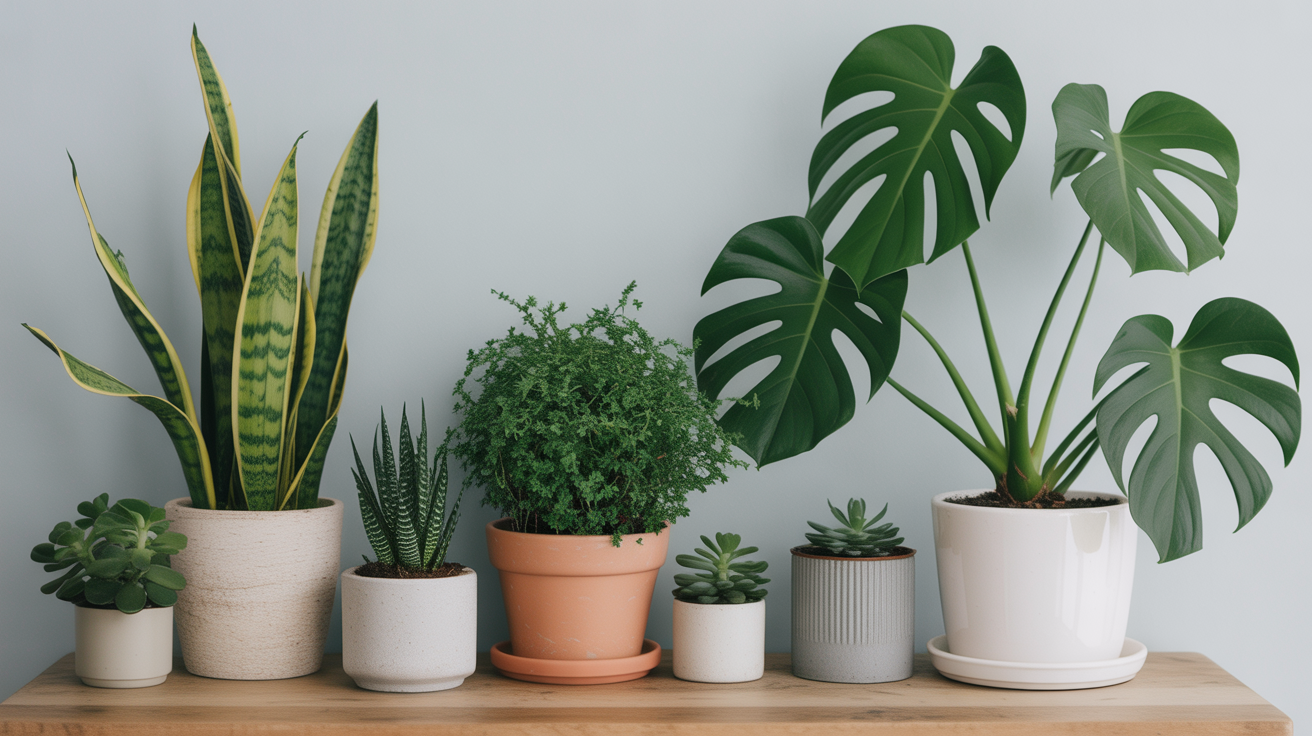
Most houseplant deaths come down to water. Too much kills far more plants than too little, yet the advice you usually hear ("water once a week") sets a lot of people up to fail. The honest answer is that there is no universal schedule. A pothos in a bright window during July needs water more often than a pothos sitting in a dim corner in January. What actually works is learning to read your plant instead of the calendar.
That said, some practical baselines exist, and knowing how to check makes everything easier.
At a Glance
- There's no single correct watering interval. Pot size, material, light, season, and soil mix all change how fast a plant dries out.
- The finger test (checking soil moisture one to two inches down) is the fastest, most reliable everyday check, and it's the same method university extension programs recommend.
- Overwatering kills more houseplants than underwatering. When unsure, most common houseplants tolerate a missed watering better than soggy roots.
- Water thoroughly until it runs from the drainage holes, then empty the saucer within 30 minutes.
- Growth (and water demand) slows sharply in fall and winter; a plant that wanted water weekly in summer may need it half as often in December.
- Yellow, soft leaves point to overwatering; dry, papery yellowing points to underwatering. Checking the roots is the most definitive test either way.
Why There Is No Single Watering Schedule
Watering frequency depends on a cluster of factors that vary by household, season, and species. Understanding these makes the "rules" make more sense.
Pot size and material
A 4-inch terracotta pot dries out in two to three days in warm weather. The same plant in a 6-inch plastic nursery pot might hold moisture for seven to ten days. Terracotta is porous and wicks moisture from the soil; plastic and glazed ceramic hold it longer, a point University of Illinois Extension's houseplant watering guide makes directly, noting that unglazed clay pots need more frequent watering than plastic ones because of that porosity. If you moved a plant to a larger pot, expect it to need water less often for a while since the extra soil volume stays wet longer.
Light and temperature
Plants in brighter spots photosynthesize faster and drink more. A snake plant (Sansevieria trifasciata) sitting in direct south-facing window light will need water more often than the same plant in a low-light corner. Warm rooms speed evaporation; a plant near a heat vent in winter dries out faster than you'd expect.
Season
Growth slows dramatically in fall and winter for most houseplants. Reduced light and cooler temperatures mean reduced water demand. A monstera that wanted water every five days in August might only need it every twelve to fourteen days in December. Overwatering in winter is one of the most common mistakes people make.
Soil mix
Dense, peat-heavy potting mixes retain moisture much longer than gritty, well-draining mixes. If you've repotted into a mix designed for succulents, you'll be watering more often. If you've used a standard houseplant potting mix, less often. The best soil for houseplants is the one that matches your plant's drainage needs, not the cheapest bag on the shelf.
The Reliable Methods for Knowing When to Water
The finger test
Push your index finger one to two inches into the soil. For most tropical houseplants (pothos, philodendrons, peace lilies, monsteras), water when the top inch or two feels dry. For drought-tolerant plants like cacti and succulents, wait until the soil is dry all the way down. For moisture-loving plants like ferns and calatheas, water before the soil dries out completely.
This is the fastest and most reliable everyday check, and it's the same baseline method University of Maryland Extension's guide to watering indoor plants recommends: test the soil with your finger to a depth of about two inches, and water if it's dry at that depth.
The lift test
Pick up the pot right after watering and notice the weight. Then lift it a few days later when the plant is thirsty. Wet soil is noticeably heavier. With practice, especially with plastic pots, you can tell by feel whether water is needed without even touching the soil. This works best for smaller pots.
The wooden skewer or chopstick method
Push a wooden skewer down to the bottom of the pot and leave it for 60 seconds. Pull it out. If it comes out clean and dry, the soil is dry. If it comes out with soil clinging to it, there's still moisture present. This is especially useful for larger pots where the finger test doesn't reach the root zone.
Checking the weight with a moisture meter
Inexpensive soil moisture meters (typically $10 to $20) give a numeric readout. They're not perfectly accurate, but they're useful for large pots or for beginners who aren't sure whether their finger test is reading correctly. Aim for a reading of 3 to 4 on most scales before watering tropicals; let succulents drop to 1 to 2.
General Watering Schedules by Plant Type
These are starting points. Adjust based on your conditions.
| Plant type | Summer frequency | Winter frequency | Notes |
|---|---|---|---|
| Pothos, philodendron, heartleaf | Every 7 to 10 days | Every 12 to 14 days | Let top inch dry out |
| Monstera deliciosa | Every 7 to 10 days | Every 10 to 14 days | Big pots hold moisture longer |
| Peace lily | Every 5 to 7 days | Every 10 to 14 days | Droops visibly when thirsty |
| Fiddle-leaf fig | Every 7 to 10 days | Every 14 days | Sensitive to wet roots; drain well |
| Snake plant | Every 14 to 21 days | Every 30 to 45 days | One of the most overwatered plants |
| ZZ plant | Every 14 to 21 days | Every 30 to 45 days | Stores water in rhizomes |
| Cacti and succulents | Every 14 to 21 days | Every 30 to 60 days | Soil must dry completely |
| Ferns | Every 3 to 5 days | Every 5 to 7 days | Never let roots dry out entirely |
| Calathea, maranta | Every 5 to 7 days | Every 7 to 10 days | Sensitive to fluoride; use filtered water |
Light exposure shifts these numbers significantly. Bright indirect light moves frequency toward the shorter end; low light toward the longer end.
A Worked Example: Two Identical Pothos, Two Different Schedules
Say you buy two pothos in matching 6-inch plastic pots on the same day. One goes on a bright kitchen windowsill; the other goes on a bookshelf eight feet from the nearest window. By week three, the windowsill plant is drying out in about eight days, right in line with the summer baseline above. The bookshelf plant is still damp at day twelve. If you watered both on the same weekly schedule, the bookshelf plant would be sitting in wet soil for roughly half its life, which is exactly how low-light houseplants end up with root rot even though "the care label said water weekly." The fix isn't a different schedule for each pot, it's checking each pot on its own terms.
Signs Your Watering Is Off
Your plants will tell you. The tricky part is that both underwatering and overwatering produce overlapping symptoms.
Signs of underwatering
- Leaves wilting or drooping, especially in the afternoon
- Dry, pulling-away-from-the-edges soil
- Yellowing lower leaves that feel dry and papery
- Stunted growth in the active growing season
- Soil shrinking away from the sides of the pot
A dehydrated peace lily (Spathiphyllum) will collapse dramatically. Most plants recover quickly once watered, though, and the test is simple: water thoroughly and see if the plant perks up within a few hours.
Signs of overwatering
- Yellowing leaves that feel soft and mushy
- Brown leaf tips combined with yellow bases
- Soil that stays wet for a week or more without drying out
- A musty or sour smell from the pot
- Fungus gnats appearing around the soil surface
- Black or brown mushy roots when you check
Overwatering is trickier to fix because the damage is underground. If the roots have started to rot, you'll need to address that directly. Check out how to repot a houseplant without killing it for guidance on inspecting and trimming damaged roots before moving to fresh soil.
How to Water Correctly When You Do Water
Knowing when to water is half the job. How you water matters too.
Water thoroughly. Pour slowly until water runs freely from the drainage holes. This saturates the entire root zone and flushes out salt and mineral buildup from fertilizer. Avoid light, shallow watering that only moistens the top inch of soil. University of Illinois Extension describes this the same way: soak the soil thoroughly, let the excess drain into the saucer, then empty the saucer rather than letting the pot sit in it.
Use room-temperature water. Cold water from the tap can shock tropical plants, especially during the growing season. Letting tap water sit overnight also allows chlorine to dissipate, which matters for sensitive plants like calatheas.
Empty saucers after 30 minutes. Standing water under a pot creates conditions for root rot. Drain it or tip it out.
Don't mist the leaves as a substitute for watering. Misting may briefly raise humidity but does nothing meaningful for root moisture. If your concern is humidity (common for calatheas and ferns), a pebble tray with water, a humidifier, or grouping plants together works far better.
Consider the water source. Tap water in most of the US is fine for the majority of houseplants. If you have calatheas that keep showing brown tips despite correct watering, switch to filtered water or collect rainwater. The fluoride and chlorine in some municipal supplies can accumulate in the soil and show up as tip burn.
Light plays a role in how thirsty your plants are, too. If you're not sure your setup is delivering enough light, how much light houseplants really need breaks down the spectrum from low-light survivors to sun-hungry species.
Building a Watering Routine That Actually Works
The goal isn't a rigid calendar. It's building a checking habit.
Pick one or two days a week to do a walkthrough with the finger test. Check each pot, make a mental note of which ones are dry, and water those. Skip the ones that still have moisture. After a few weeks, you'll have a reliable sense of each plant's rhythm in your specific conditions.
A few things that help:
- Group plants with similar water needs together so you can water them on the same pass
- Rotate pots a quarter turn each time you water to ensure even light exposure
- Note the last watering date on a small label or in a plant-care app if you tend to forget
- Check more frequently in summer and step back in winter
Some gardeners use a rule of "better too dry than too wet" for most houseplants, and there's merit to it. Most common houseplants tolerate a missed watering better than they handle sitting in soggy soil.
Frequently Asked Questions
How do I know if my plant is overwatered or underwatered?
Press your finger into the soil. If it's soggy and smells musty, overwatering is likely. If it's bone dry and the leaves are limp, underwatering is the problem. Overwatered plants often show yellow, soft leaves; underwatered plants show dry, papery yellowing. Checking the roots is the most definitive test: healthy roots are white or tan and firm, while rotted roots are brown or black and mushy.
Can I use a set watering schedule for all my plants?
Not reliably. Different plants have different water needs, and the same plant's needs shift with the season, pot size, light level, and soil type. A weekly schedule works as a reminder to check your plants, but the actual decision to water should come from the finger or lift test, not the day of the week.
What is the best time of day to water houseplants?
Morning is generally best, though for indoor plants it matters much less than it does for outdoor gardens. Morning watering gives leaves time to dry if they get wet, which reduces the chance of fungal issues. Avoid watering late at night if you're getting water on the leaves, but if you're watering at the base, timing is not critical.
Why do my plant's leaves keep turning yellow even though I'm watering correctly?
Yellow leaves have many causes beyond watering: low light, nutrient deficiency, pests, cold drafts, or natural aging of lower leaves. If the soil moisture seems right but yellowing continues, check the plant's light exposure, look under leaves for spider mites or scale insects, and consider whether it's been in the same pot for more than two years without fertilizing.
How long can houseplants go without water?
It depends heavily on species. A snake plant or ZZ plant can survive four to six weeks without water in winter, possibly longer. A fern or calathea will show stress after five to seven days without moisture. When leaving for a vacation of one to two weeks, most common tropical houseplants (pothos, monsteras, philodendrons) will be fine if you water thoroughly right before you leave. For longer absences, ask someone to check them or invest in self-watering spikes.
Is it better to underwater slightly or water on a fixed schedule I might forget to adjust?
If you have to choose one default, underwatering slightly is the safer failure mode for most common houseplants. A plant that goes a few extra days without water usually just pauses growth and can be watered back to normal; a plant sitting in wet soil for that same stretch risks root rot, which is much harder to reverse. This isn't a reason to skip the finger test though, it's a reason to check often enough that "fixed schedule" stops being the deciding factor at all.