Plant Care
The Best Soil for Houseplants, Explained
Find the best soil for houseplants with our guide to indoor potting mix types, drainage fixes, and DIY blends for every plant.
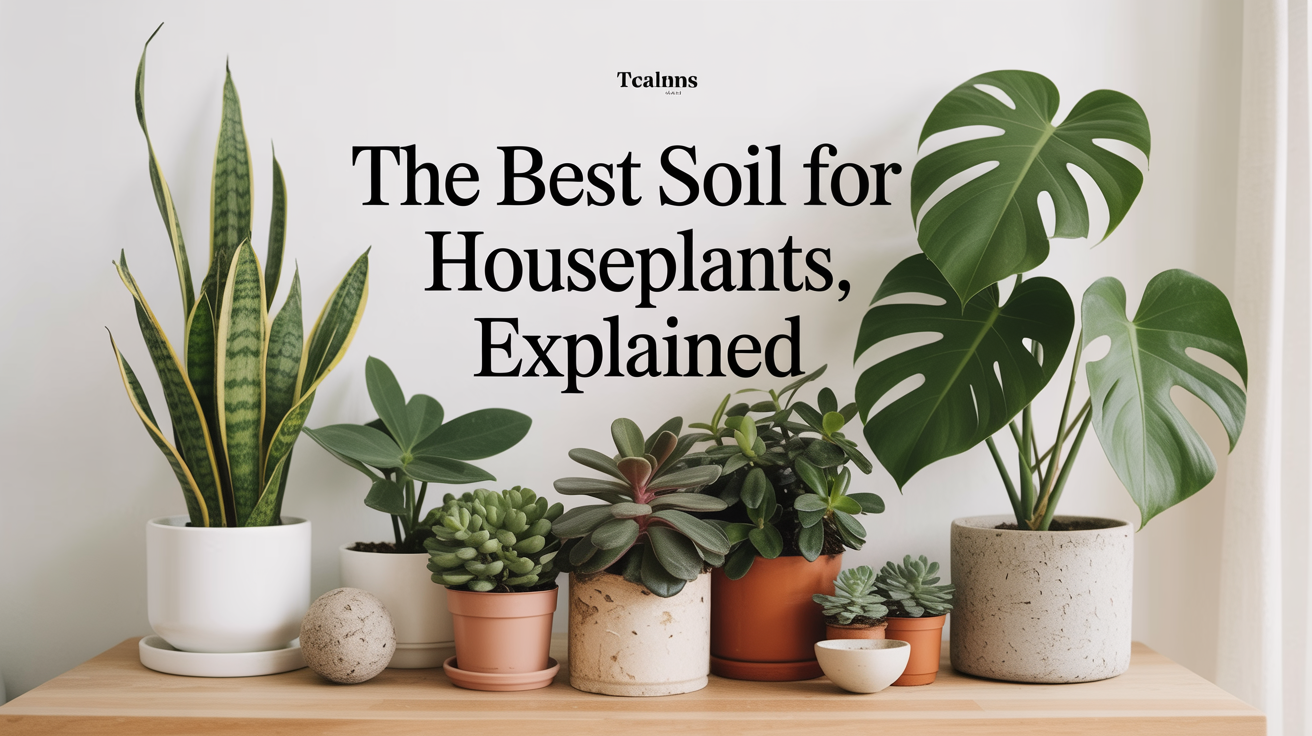
Soil does more than hold your plant upright. It regulates moisture, provides a home for roots, and determines whether a plant thrives or slowly declines. The good news: once you understand what different plants actually need from a mix, picking the right one gets straightforward.
Most houseplants fail not from neglect but from the wrong growing medium. A cactus planted in dense, moisture-retentive compost will rot within months. A fern in a gritty, fast-draining cactus blend will dry out before you can water it again. The right houseplant soil mix is the foundation everything else builds on.
At a Glance
- Skip garden soil in containers. It compacts, cuts off oxygen to roots, and often carries pathogens.
- Most bagged "potting soil" is soilless, built from peat or coir plus perlite or vermiculite, not actual dirt.
- Match the mix to the plant: tropicals want an aerated all-purpose blend, succulents and cacti want at least 50% grit, orchids want bark, not soil at all.
- Perlite improves drainage but carries trace fluoride, which matters for fluoride-sensitive plants like dracaenas and spider plants.
- Refresh potting mix every one to two years for actively growing plants, even in the same pot size.
- If water pools on the surface instead of draining within a minute or two, the mix is too dense or has compacted.
What Makes a Good Indoor Potting Mix
A quality indoor potting mix balances four things: aeration, drainage, moisture retention, and some nutrient base. Garden soil (the stuff from your backyard) does none of these well for containers. It compacts under its own weight, cuts off oxygen to roots, and often carries pathogens that thrive in the stagnant warmth of a pot.
Bagged potting mix is formulated to stay loose over time. But "potting soil" on a label covers a huge range. Some are light and peat-heavy; others are dense with added fertilizer. Reading the ingredient list matters more than the price point. Clemson Cooperative Extension's factsheet on indoor plant soil mixes notes that most commercial indoor mixes are "soilless," built from peat or coir plus perlite or vermiculite rather than actual garden soil.
Key Ingredients to Know
Peat moss or coco coir. These form the bulk of most mixes, holding moisture and keeping things loose. Coco coir (a byproduct of coconut processing) is more sustainable and slightly faster-draining than peat.
Perlite. White volcanic glass beads. They don't absorb water; they create air pockets and speed drainage. More perlite means faster drainage. Iowa State University Extension's guide to potting media components describes perlite as a heat-puffed rock-like material that provides long-lasting air-filled pores, and notes it can be dusty to handle dry, so work with it in a well-ventilated space or dampen it first. One caution worth knowing: perlite contains trace amounts of fluoride, which North Carolina State Extension's container-growing guide says should be avoided in mixes for fluoride-sensitive species like spider plants and dracaenas, since it can contribute to the brown leaf-tip burn those plants are known for.
Bark fines. Shredded pine or fir bark adds texture, improves aeration, and breaks down slowly over time. Common in orchid and aroid mixes.
Vermiculite. Expanded mica that holds water and minerals. Opposite of perlite in moisture behavior; shows up more in seed-starting mixes. It costs more than perlite, and with a well-balanced mix and a regular feeding routine, most home growers can skip it entirely.
Worm castings or compost. Adds a slow-release nutrient base. A small percentage goes a long way, roughly 10 to 15% by volume is plenty; more than that can hold too much moisture for plants that want to dry out between waterings.
Matching the Soil to the Plant
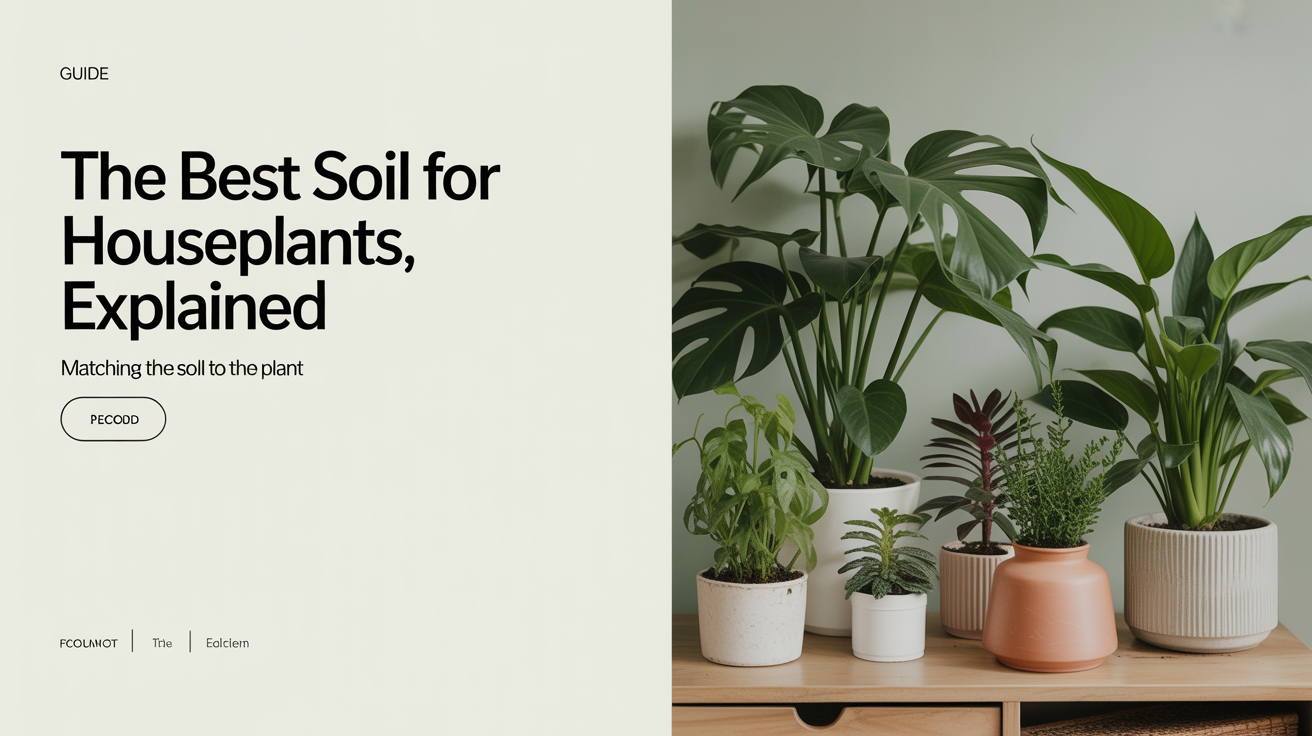
There is no single "best" soil for all houseplants. A Monstera deliciosa and a barrel cactus have opposite needs. Here's how to think about it by plant type.
Tropical Foliage Plants (Pothos, Philodendron, Monstera)
These plants come from forest floors where organic matter is rich but never waterlogged. A standard all-purpose potting mix works, but adding 20 to 30% perlite improves things noticeably. Roots need air between waterings.
Good base: all-purpose potting mix + perlite (roughly 3:1 by volume).
Succulents and Cacti
Fast drainage is non-negotiable. These plants store water in their tissues and rot quickly if their roots sit wet. A purpose-made cactus blend works, though most still benefit from extra perlite or coarse sand (at least 50% grit by volume).
Good base: cactus mix + perlite or coarse horticultural sand (1:1).
Orchids (Especially Phalaenopsis)
Orchid roots need to breathe. In their natural environment, most epiphytic orchids grow on tree bark, not in soil at all. Standard potting mix will suffocate them. Use a dedicated orchid bark mix: chunky bark pieces, sometimes with perlite or sphagnum moss added.
Ferns, Calathea, and Moisture-Loving Plants
These like consistent moisture without being soaking wet. A richer, finer-textured mix with higher peat or coco coir content suits them. Adding a small amount of vermiculite helps the mix hold water between waterings without going anaerobic. Since these plants are also the most fluoride-sensitive, pair this mix with filtered or rain water rather than straight tap water if you notice brown leaf edges.
Good base: all-purpose mix with extra coco coir, skip heavy perlite additions.
African Violets
African violets are particular about their mix. They want something light, slightly acidic, and well-aerated. Purpose-made African violet mixes exist and are worth using; alternatively, mix regular potting soil with perlite and a little sphagnum moss.
DIY Houseplant Soil Blends
Making your own mix gives you control and often works out cheaper per batch. Here are reliable starting points:
| Plant Type | Base Mix | Amendments | Ratio |
|---|---|---|---|
| General tropical | Potting mix | Perlite | 3 parts mix : 1 part perlite |
| Aroid (Monstera, Philodendron) | Potting mix | Perlite + bark fines | 2:1:1 |
| Cactus / succulent | Cactus mix | Coarse sand or perlite | 1:1 |
| Fern / Calathea | Potting mix | Coco coir + vermiculite | 2:1:0.5 |
| Orchid | Bark fines | Perlite + sphagnum | 4:1:1 |
| African violet | Potting mix | Perlite + sphagnum | 2:1:0.5 |
These ratios are starting points, not formulas carved in stone. Adjust based on how quickly your specific pots dry out and how your plant responds. If leaves yellow and the soil stays wet for two weeks between waterings, add more perlite. If the mix dries out in two days and your fern crisps at the edges, dial back the grit.
A rough cost comparison for a standard 8-inch pot (about 2 quarts of finished mix): a bag of all-purpose potting mix plus a small bag of perlite runs $2 to $4 per repot in most amendments, cheaper than buying a specialty bag of cactus or orchid mix for a single plant. Buying base ingredients in bulk pays off once you have more than five or six pots to maintain.
Signs Your Soil Isn't Working
Soil problems show up in predictable ways. Knowing what to look for saves a lot of guesswork.
Water pools on the surface and drains slowly. The mix has compacted or is hydrophobic (dried-out peat resists rewetting). Fix: repot into fresh mix, or water more slowly and let it absorb. A drop of dish soap in the watering can occasionally helps rewet hydrophobic media.
Roots are circling the surface or poking out of drainage holes. The plant needs a bigger pot and fresh soil. See our complete walkthrough on how to repot a houseplant without stressing the roots.
Soil stays wet for more than 10 days after watering. Either too little drainage, a pot without holes, or the plant is root-bound and not taking up water. Check all three.
White crust on the soil surface. Mineral salt buildup from tap water and fertilizer. Flush the pot thoroughly or repot. This is cosmetic but signals the mix is getting exhausted.
Gnats flying around the soil. Fungus gnats breed in the top inch of moist organic matter. Letting the top layer dry between waterings usually handles it. Drier, coarser mixes discourage them.
Quick Diagnostic Reference
| What You See | Likely Cause | Fix |
|---|---|---|
| Water sits on top for minutes before soaking in | Compacted or hydrophobic mix | Repot, or pre-wet with a slow trickle |
| Soil wet 10+ days after watering | Poor drainage, no drainage hole, or root-bound plant | Check the pot for holes, then check the roots |
| White crust on the surface | Mineral salt buildup | Flush pot with plain water, or repot |
| Gnats near the soil | Fungus gnats breeding in moist organic matter | Let the top inch dry fully between waterings |
| Fine roots visible at the surface or drainage holes | Plant has outgrown the pot | Repot into fresh mix, one size up |
| Musty or sour smell from the pot | Anaerobic, waterlogged mix, possible root rot | Unpot, inspect roots, repot into fresh, gritty mix |
When to Refresh or Replace Potting Mix
Potting mix doesn't last forever. Over 1 to 2 years, organic components break down, perlite floats away, and the mix compresses. Nutrient reserves deplete, and microbial balance shifts. A healthy plant in old soil will often stall out even if you're watering and fertilizing on schedule.
A good rule of thumb: repot into fresh mix every 1 to 2 years for actively growing plants, even if you're moving back into the same size pot. If you're not sure when yours last got fresh soil, lift it out, look at the roots, and check how the old mix smells. Healthy mix smells earthy; exhausted or waterlogged mix can smell sour or sulfurous.
If you're uncertain how often your plant needs water in its current mix, it helps to understand the broader watering logic behind the decision. Our guide on how often to water houseplants covers how to read your plant rather than follow a fixed schedule.
Frequently Asked Questions
Can I use garden soil for houseplants?
Not directly. Garden soil compacts in containers, lacks aeration, and often carries pests or pathogens. If you want to incorporate it, mix it with plenty of perlite and compost, but in most cases a dedicated indoor potting mix is easier and produces better results.
Is there a universal potting mix that works for all houseplants?
A basic all-purpose potting mix with some added perlite covers a wide range of tropical foliage plants reasonably well. But succulents, orchids, and acid-loving plants like blueberries genuinely need specialized mixes. Trying to use one blend for everything usually means compromising somewhere.
How do I know if my soil drains well enough?
Pour water through and watch the drainage hole. It should run clear within a minute or two of watering. If water sits on the surface for several minutes before soaking in, or doesn't exit the drainage hole at all, the mix is too dense or compacted.
Does the brand of potting mix matter?
Brands vary more than you'd expect. Some bagged mixes have excellent texture straight out of the bag; others are so dense or peat-heavy they need amendment before use. Reading the label and checking whether perlite is listed helps. Avoid mixes with heavy added fertilizer pellets if you plan to use your own feeding routine.
Does my home's light level change what soil I need?
Yes. A plant in lower light uses water more slowly, so it sits in wet soil longer between waterings, which makes a fast-draining mix more forgiving. A plant in bright indirect light dries out faster and can tolerate a slightly richer, moisture-retentive mix without the roots staying wet too long. If you're dialing in your growing setup, understanding your home's light is a useful parallel step alongside choosing the right soil.
Should I sterilize potting mix before using it?
For most bagged, unopened mix, no, it's produced under conditions that keep pathogen levels low. It's worth sterilizing (or at least being cautious with) mix that's been stored open and damp for a long time, or soil you're reusing from a plant that had root rot or a pest infestation. A quick way to reduce risk when reusing old mix: spread it thin on a tray and let it dry out completely in the sun before reusing, though this won't kill everything a fresh bag would avoid in the first place.
Leaf and Loam is an independent houseplant resource. Our guides are researched and written in-house; we are not affiliated with, endorsed by, or sponsored by any brand or grower we mention. Many common houseplants are toxic to pets and people, confirm a specific plant's safety before bringing it home. This is general plant-care information, not professional horticultural advice.