Plant Care
How to Care for Houseplants in Winter
A practical houseplant winter care guide covering light, watering, temperature, and humidity so your plants stay healthy until spring.
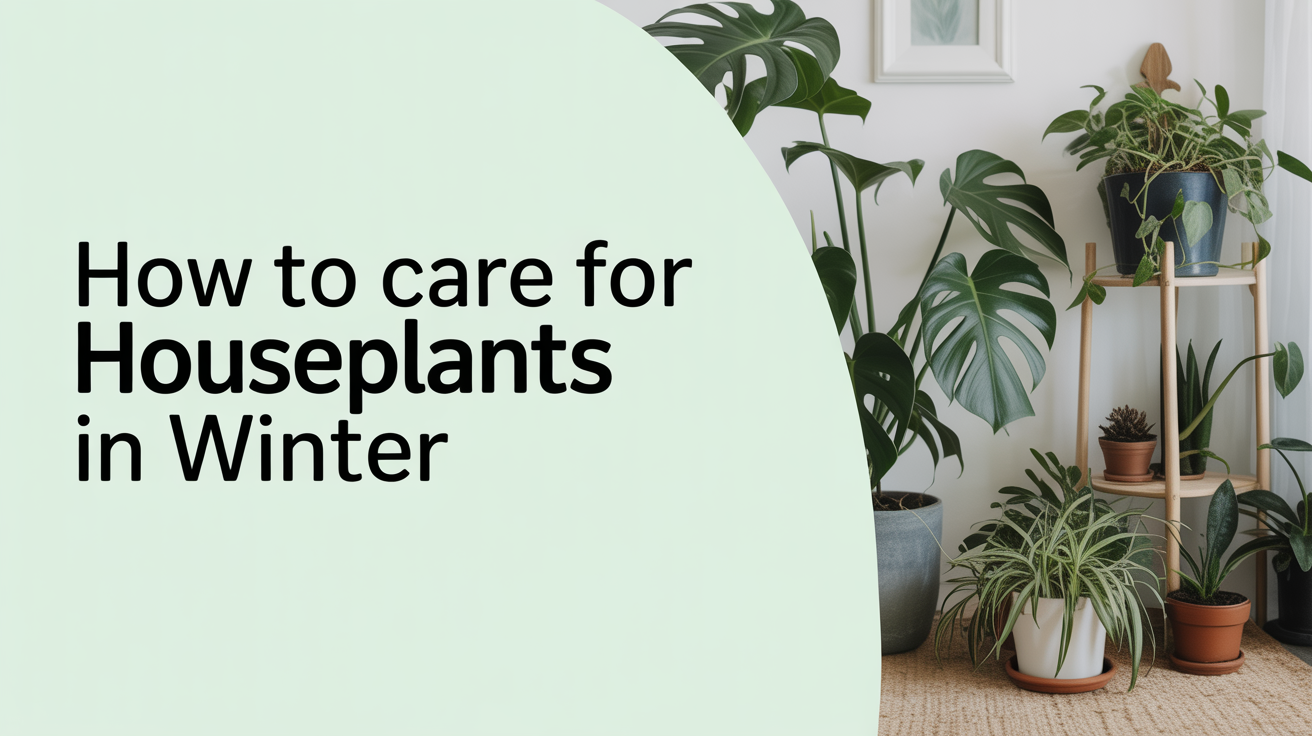
Most houseplants don't die in winter from cold. They die from overwatering, because their owners keep watering at a summer pace while the plant has quietly slowed down. Once you understand that shift, the rest of winter plant care indoors falls into place: less water, less fertilizer, more attention to where you've placed the pot.
This guide covers the four main areas that change between October and March, with specific numbers you can actually use.
At a Glance
- Cut watering frequency roughly in half through winter, then confirm with a finger test rather than a fixed schedule.
- Move plants closer to your brightest window as the sun tracks lower, or add a grow light on a 12-14 hour timer.
- Stop fertilizing from late autumn through February; resume in March when new growth resumes.
- Keep foliage from touching cold glass, and watch for drafts around older window frames.
- Indoor winter humidity commonly drops to 10-20 percent; most tropical houseplants want 40-60 percent, some higher.
- Don't repot in winter unless a plant is severely root-bound and actively suffering for it.
How Winter Changes Your Home Environment
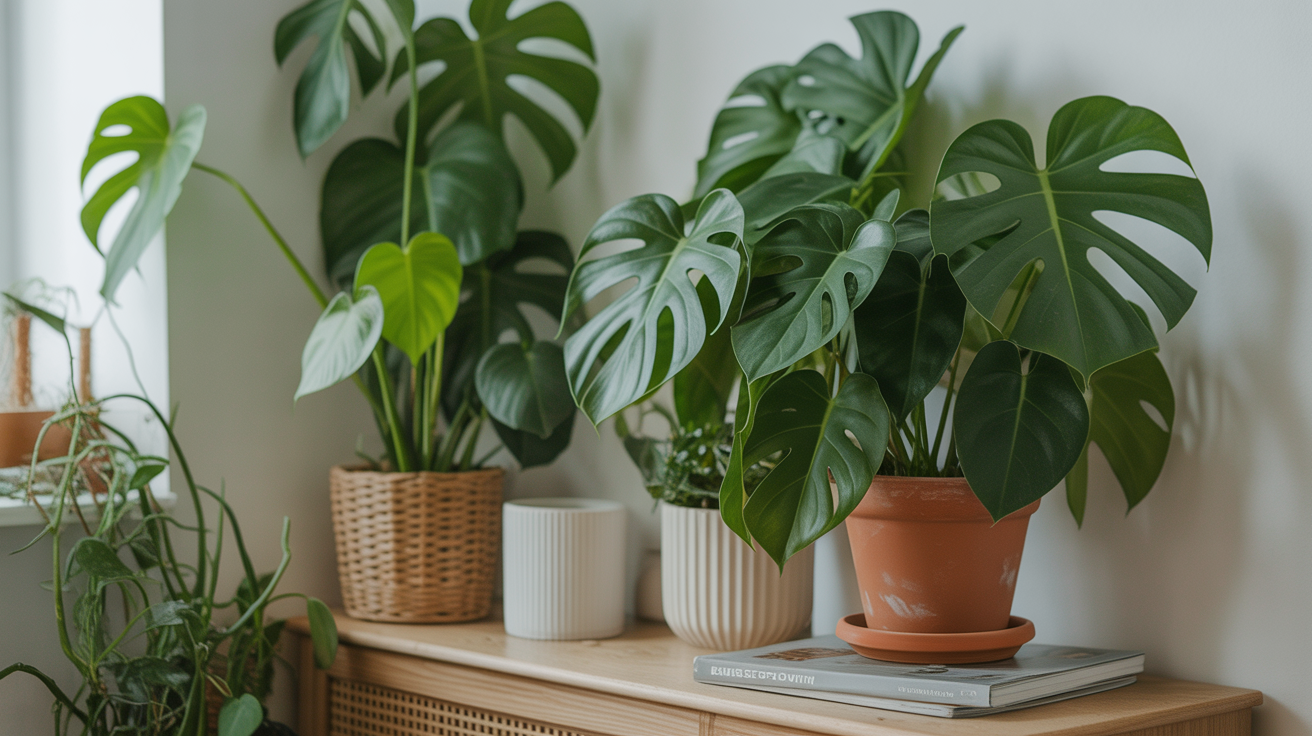
Your plants don't know the calendar, but they notice three things that shift with the season: day length, light angle, and the dry heat that most furnaces push through a house.
From late autumn onward, the sun tracks lower in the sky. A south-facing window that flooded a room with bright indirect light in July may only offer weak, angled rays by December. East and west windows drop off even more. Plants that were thriving on natural light alone may start to stretch or stall.
At the same time, most central heating systems drop indoor humidity well below what most tropical houseplants prefer. According to Penn State Extension's guide to humidity and houseplants, the ASHRAE-recommended comfort range for a home is roughly 30 to 60 percent relative humidity, but a winter-heated house can easily fall below 30 percent once the furnace runs steadily. Many popular houseplants (pothos, monsteras, peace lilies) grow naturally in humid tropical environments and feel the difference, even if the symptoms take a few weeks to show up as crispy leaf tips or leaf curl.
Knowing this upfront lets you make small adjustments early rather than troubleshoot damage later.
Getting the Light Right
The single most useful thing you can do for houseplant winter care is move your plants closer to your brightest windows, or bring in supplemental light.
Moving Closer to Windows
A plant that sat two or three feet from a south-facing window in summer may need to sit right on the sill by December. Light intensity drops sharply with distance (roughly following an inverse-square relationship), so a shift of even one foot makes a real difference.
If you don't have a south-facing window, a west-facing one is a reasonable backup during winter months. North-facing windows are only realistic for extremely low-light plants like cast iron plants or ZZ plants; most tropicals will struggle through a north window all winter.
Wipe dusty leaves with a damp cloth. A layer of dust on broad-leafed plants like fiddle-leaf figs or rubber plants measurably reduces how much light reaches the leaf surface.
Using Grow Lights
A simple full-spectrum LED grow light on a timer can bridge the gap for plants that need bright indirect light year-round. Set it to run 12 to 14 hours a day and position it 6 to 18 inches above the foliage, depending on the light's output and your plant's needs. Succulents and cacti need to sit closer; ferns and pothos do fine at the farther end of that range.
You don't need an expensive setup. A basic LED bar light from a garden center works well for most houseplants, and a simple outlet timer removes any guesswork about daily hours.
Watering Plants in Winter
This is where most winter plant losses happen. Watering plants in winter requires a different rhythm than summer because the plant is doing less and the soil stays moist longer.
Cooler room temperatures slow soil evaporation. Lower light slows photosynthesis. The plant isn't actively pushing out new leaves or roots at the same pace, so it's drawing less water. Water that would have dried out in a week in July might sit in the pot for two or three weeks in January.
The method stays the same regardless of season: check the soil, not the calendar. Push a finger an inch or two into the soil. For most tropical houseplants, water when the top inch to two inches feel dry. For drought-tolerant plants like cacti, succulents, snake plants, and ZZ plants, let the soil dry out almost completely before watering again.
A good general rule for winter: water about half as frequently as you did in summer, then adjust from there based on what the soil actually tells you.
For more detail on reading soil moisture accurately, see how often to water houseplants and how to know for sure.
Signs You're Overwatering in Winter
Yellow leaves that feel soft and mushy rather than crisp are a common sign. So is a soil that smells sour or earthy in an off way. If you pull the pot and see dark, mushy roots rather than white or tan firm ones, overwatering has already done some damage. At that point, let the soil dry thoroughly before watering again, and consider whether the pot has adequate drainage.
Plants That Need Even Less Water in Winter
Succulents and cacti often prefer to go almost completely dry between waterings from October through February. Some gardeners stop watering these plants almost entirely during the coldest months, giving just enough water to prevent shriveling. Orchids in bark media dry out faster than plants in soil, but they still need less frequent watering in winter than in the growing season.
Winter Care Cheat Sheet: Summer vs. Winter
Seeing the two seasons side by side makes the adjustment concrete instead of vague.
| Care Area | Typical Summer Routine | Typical Winter Routine |
|---|---|---|
| Watering (tropicals) | Every 7-10 days | Every 14-21 days, check soil first |
| Watering (succulents/cacti) | Every 10-14 days | Every 3-4 weeks, or withhold near-completely |
| Fertilizing | Diluted feed every 2-4 weeks | None from roughly November through February |
| Light | Ambient window light often sufficient | Move closer to glass, or add 12-14 hrs of grow light |
| Target humidity | Often naturally adequate | Aim for 40-60% with a humidifier or pebble tray |
| Repotting | Safe in active growth | Avoid unless a plant is severely root-bound |
Temperature and Plants Near Cold Windows
Most tropical houseplants prefer temperatures between 60°F and 80°F (15°C to 27°C) year-round. The danger zone in winter is usually not the room temperature itself but the microclimate right next to a cold window.
Glass conducts cold very efficiently. A leaf pressing against a windowpane on a night when it's 15°F (-9°C) outside can experience temperatures near freezing even if the room reads 68°F (20°C). Tropical plants near cold windows show this as blackened, water-soaked patches that shrivel as the leaf dies back. The University of Maryland Extension's temperature and humidity guide for indoor plants recommends keeping a 10-15°F gap between day and night temperatures as a reasonable target, and specifically flags drafts and heat registers as a hazard separate from the room's average temperature.
Safe Distances and Positions
Keep foliage from touching the glass directly. If a plant is on a sill, check that no leaves make contact with the pane. On very cold nights, you can slide the plant back a few inches or close the curtain between the plant and the window (which traps some warmth).
Watch for drafts from gaps around older window frames. Cold air that flows steadily across a plant causes similar damage and can also promote fungal issues when cold, damp air lingers on leaves. If you feel a draft with your hand, the plant will feel it too.
Avoid placing plants near exterior doors that open frequently in winter, and keep them away from heating vents that blast hot, dry air directly onto foliage. Both extremes stress the plant, even if the room temperature averages out reasonably.
Fertilizing in Winter
Most houseplants don't need fertilizer between November and February. In low light conditions with slowed growth, adding fertilizer doesn't speed anything up; it just lets salts accumulate in the soil, which can burn roots over time.
A simple approach: stop fertilizing in late autumn and resume in March when day length visibly increases and you start seeing new growth emerge. Some growers give one diluted feed in early spring as a gentle restart rather than jumping straight to a full-dose schedule.
If you use a liquid fertilizer at half-strength during the growing season, you don't need to do anything special in winter. Just stop. The plant won't miss it.
Managing Humidity
Raising humidity is one of the better things you can do for tropical houseplants through winter. The University of New Hampshire Extension notes, in its guide to raising indoor humidity for houseplants, that most houseplants (aside from cacti and succulents) prefer 40 to 60 percent relative humidity, with some tropical species happiest at 70 to 80 percent, ranges that a winter-heated home rarely reaches on its own.
Grouping plants together helps, since transpiration from nearby plants raises the local humidity slightly, particularly in a low-airflow room. A pebble tray with water beneath the pot (with the pot sitting above the waterline, not in it) adds a smaller but real amount of moisture to the immediate air around the plant.
A small room humidifier near your plant collection makes the biggest difference if you have many plants or particularly humidity-loving species like calatheas, anthuriums, or ferns. Aim for 40 to 50 percent relative humidity as a reasonable target, and pair the humidifier with a cheap hygrometer so you're not guessing.
Misting is popular but less effective. The water evaporates within minutes and doesn't meaningfully raise ambient humidity for long. If you enjoy the ritual, it won't hurt, but it's not a substitute for a humidifier or a pebble tray.
Frequently Asked Questions
Should I repot my houseplants in winter?
In most cases, no. Repotting encourages new root growth, and roots grow slowly in low-light winter conditions. Unless a plant is severely root-bound and suffering for it (roots coming out of drainage holes, soil drying out within a day of watering), it's better to wait until spring. See how to repot a houseplant without killing it for guidance when the time does come.
My plant stopped growing in winter. Is something wrong?
Probably not. Most houseplants slow down or pause growth entirely during short winter days. A plant that produced several new leaves a month in summer may produce none at all from November through January. That's normal. As long as the existing leaves look healthy and the roots aren't rotting, the plant is fine, just resting.
Can I keep plants near a cold window if I use a curtain at night?
Yes. Closing curtains between the plant and the glass on cold nights helps buffer the temperature drop significantly. Just make sure the curtain goes between the plant and the glass, not in front of the plant. Trapping the plant in a cold, dark air pocket behind the curtain all night won't help.
Why are my plant's leaf tips turning brown in winter?
Brown, crispy leaf tips during winter usually point to low humidity from indoor heating rather than cold damage (which tends to cause soft, dark patches). Try a pebble tray or humidifier, and make sure the plant isn't sitting directly in front of a heat vent.
Should I change the soil in winter?
There's no need to change soil on a schedule, winter or otherwise. Potting mix does degrade over time (it compacts and loses drainage capacity), but this happens over years, not months. If the soil is draining well and the roots look healthy, leave it alone until spring when you can assess whether a refresh makes sense. For a deeper look at mix choices, the best soil for houseplants explained covers the main options.
Is it normal for indoor humidity to swing this much between seasons?
Yes. Cold outdoor air simply holds less moisture than warm air, and heating that air further without adding moisture back drops relative humidity even more. A home that sits at a comfortable 45-50 percent humidity in summer can fall to 15-20 percent once the furnace has been running steadily for a few weeks. That swing is exactly why winter is when most humidity-related leaf damage shows up, even in plants that were perfectly happy three months earlier.
Can I move houseplants to a warmer, more humid room like a bathroom for winter?
Often yes, provided the room still has adequate light. Bathrooms and kitchens tend to run more humid than living rooms or bedrooms because of showers and cooking, which benefits humidity-loving plants like ferns and calatheas. The tradeoff is usually light: a bathroom with only a small or frosted window may not support a plant through winter even if the humidity is ideal, so check both factors rather than optimizing for humidity alone.
Do I need a special grow light, or will any LED bulb work?
A standard warm-white household LED bulb puts out very little of the light spectrum plants actually use, so it isn't a real substitute even if the room looks bright to you. Look for a bulb or bar sold specifically as a "full-spectrum" or "grow" light, ideally with a stated output rather than just wattage, since two bulbs of the same wattage can produce very different amounts of usable light. Basic clip-on or bar-style LED grow lights start around $15-25 and are enough for a shelf of small to medium plants; larger floor plants or multi-shelf setups benefit from a higher-output panel. A cheap mechanical outlet timer, usually $8-10, is worth adding from day one so the light runs the same 12-14 hours daily without you remembering to switch it on and off.