Plant Profiles
ZZ Plant Care: The Near-Indestructible Houseplant
ZZ plant care made simple: light needs, watering cadence, soil, and troubleshooting for Zamioculcas zamiifolia indoors.
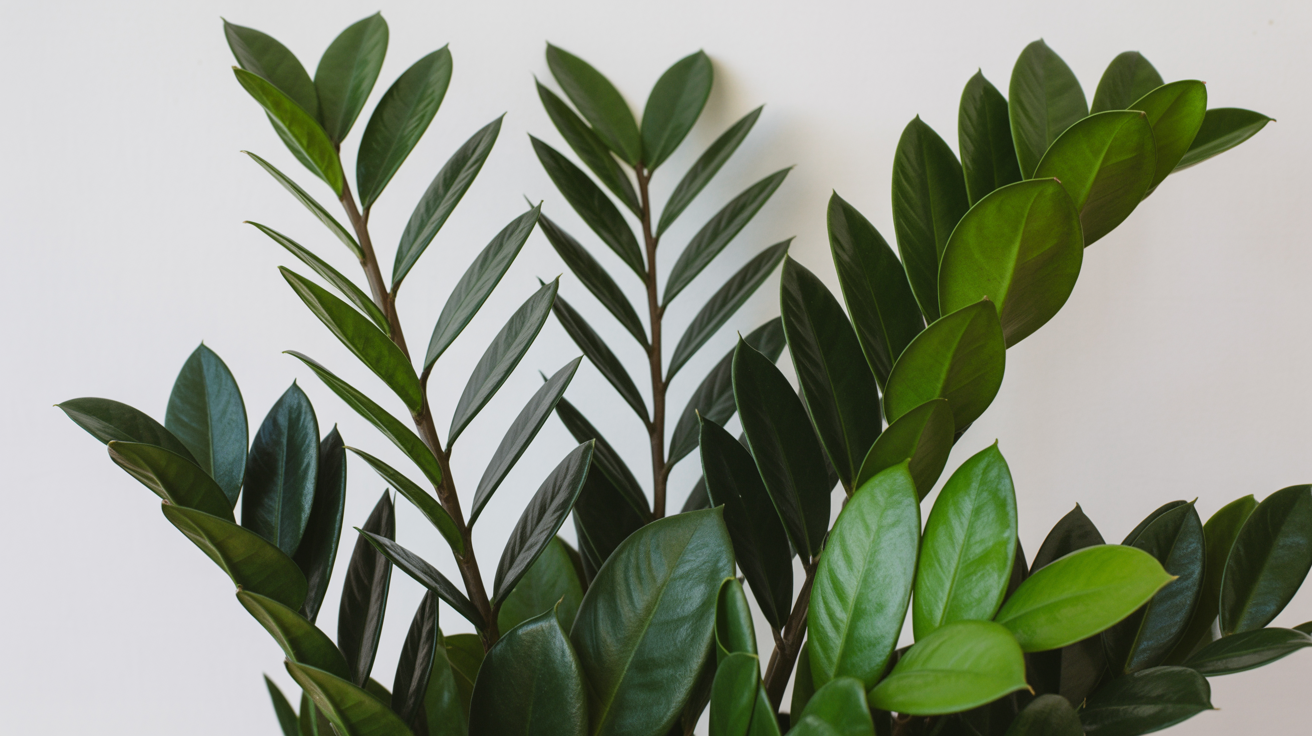
ZZ plants (Zamioculcas zamiifolia) evolved in the dry scrublands of eastern Africa, where months-long droughts were a fact of life. The plant's answer was to store water in thick underground rhizomes, trading rapid growth for extraordinary resilience. That same adaptation is exactly why a ZZ will sit on your shelf, survive an erratic watering schedule and a dim corner, and still look reasonably good at the end of it.
This guide covers everything you need for solid zamioculcas care: the light levels the plant genuinely prefers, how often to water a ZZ plant without overdoing it, soil and potting choices, and the handful of things that can actually go wrong.
At a Glance
- Water every 2 to 4 weeks in summer, every 3 to 6 weeks in winter, and only once the soil is fully dry.
- Tolerates low light but grows faster in bright, indirect light; the two produce visibly different plants within a season.
- Overwatering, not underwatering, kills most ZZ plants, since the rhizomes already hold weeks of reserve moisture.
- Toxic to cats, dogs, and people through calcium oxalate crystals; keep it out of reach and wear gloves when pruning or repotting.
- Repot only every 2 to 3 years, sizing up no more than two inches at a time.
- Slow growth is normal, not a sign of a problem, especially in autumn and winter.
ZZ Plant Care at a Glance
| Factor | ZZ Plant Preference |
|---|---|
| Light | Indirect, low to bright; tolerates dim conditions |
| Water | Every 2-4 weeks in summer; every 3-6 weeks in winter |
| Soil | Fast-draining mix (add 30-40% perlite or pumice) |
| Temperature | 60-85°F (15-29°C); keep above 45°F (7°C) |
| Humidity | Tolerates 30-50% (standard indoor air is fine) |
| Fertilizer | Half-strength balanced liquid, monthly in spring and summer only |
| Toxicity | Toxic to cats, dogs, and people; wear gloves when handling |
Light: What the ZZ Plant Actually Needs
The ZZ has a reputation as a low-light plant, and it earns that label. The NC State Extension plant profile for Zamioculcas zamiifolia confirms it tolerates "very low levels of light, even in areas with only fluorescent light," which is part of why it shows up so often in offices and windowless hallways. It will survive in a shaded hallway or a room with one north-facing window. "Survive" is the operative word, though. In genuinely low light the plant grows very slowly, and over a long stretch the stems can grow leggy as they reach toward whatever light is available.
Give a ZZ bright, indirect light and the difference shows within a season or two: faster growth, more frequent new stems, and a deeper, glossier green. A spot a few feet from a south- or west-facing window, or directly in front of an east-facing window, tends to produce the healthiest plants.
What Counts as Low Light
When plant guides say "low light," they mean a room where you can read comfortably in natural daylight without switching on a lamp, but where no direct sun reaches the floor. True darkness (a closet, a room with blacked-out windows) is not low light; it is no light, and even a ZZ will decline there over time.
Avoiding Direct Sun Damage
Direct afternoon sun is one of the few things that reliably harms a ZZ. The same NC State profile notes that "scalding and browning of leaves can occur if the plant is placed in direct sunlight." The glossy leaves scorch faster than you might expect, developing pale patches or brown areas that do not recover. If your space only offers south or west exposures, hang a sheer curtain or move the plant a few feet back from the glass.
How Often to Water a ZZ Plant
Overwatering kills more ZZ plants than any other cause. The rhizomes store water, so the plant draws on reserves for weeks between waterings. Treating it like a thirsty tropical will leave roots sitting in damp soil far longer than they should.
Reading the Soil, Not the Calendar
The most reliable method is to check the soil directly. Push a finger two inches down; if you feel any moisture at all, wait a few more days. When the soil is completely dry, water thoroughly until it drains from the bottom, then leave it alone until it dries out again.
In spring and summer with good indirect light, that cycle typically takes two to four weeks. In autumn and winter, or in lower light, expect three to six weeks between waterings. Terracotta pots dry out faster than glazed ceramic or plastic at the same size, so factor in your container material when you try to guess the timing.
Spotting Watering Problems
Yellowing leaves across several stems at once usually point to too much water. Pull the plant out of its pot and look at the rhizomes. Healthy ones are firm and tan or pale yellow. Rotted ones are soft, dark brown, or black. Cut away any rotted sections with a clean knife, let the cuts air-dry for a day, and repot into fresh dry soil.
An underwatered ZZ wrinkles slightly at the stems, and the soil pulls away from the pot edge. This is much less common than the alternative. Water thoroughly, let it drain completely, and the plant usually recovers within a few days.
Soil, Pots, and Repotting
Standard potting mix often retains too much moisture for a ZZ. The easy fix is to mix in thirty to forty percent perlite or pumice before potting. A pre-blended cactus and succulent mix also works well as a base. Clemson HGIC's guide to indoor plant soil mixes describes similar ratios for fast-draining container mixes, such as two parts peat to one part perlite to one part coarse sand, which drains noticeably faster than an unamended bagged potting soil.
Choosing the Right Pot
A pot with drainage holes is non-negotiable. Even a short time in standing water is enough to start root rot. If you want to use a decorative pot without drainage, keep the ZZ in its grow pot and set that inside the outer container, then empty any collected water after each watering session.
Pot size matters more than many people realize. A container more than two inches wider than the root ball holds excess moisture and stays wet far too long. ZZ plants do fine in snug conditions; size up only when roots start circling the drainage holes or pushing out the bottom. How to repot a houseplant without killing it covers the technique in more detail if you haven't repotted a rhizome-based plant before.
When to Repot
Most ZZ plants need repotting every two to three years. Spring works best, though the plant's slow growth rate gives you flexibility. Go up one pot size at most, replace all the soil, and water lightly for the first week while the roots settle.
Temperature and Humidity
ZZ plants are comfortable in the same range most households maintain: 60 to 85°F (15 to 29°C). Below 45°F (7°C), the plant begins to suffer. Keep it away from drafty windows in winter, unheated rooms, and air conditioning vents that blow cold air directly onto the leaves.
Humidity is not a meaningful concern with this species. Standard indoor air at 30 to 50 percent suits it fine. No humidifier, pebble tray, or misting routine is needed. That makes the ZZ practical for dry climates and heated winter interiors where humidity-loving tropicals struggle. If you are building out a low-maintenance collection, snake plants handle similar conditions and pair well alongside a ZZ in the same low-light area.
Fertilizing Without Overdoing It
ZZ plants are light feeders. A balanced liquid fertilizer diluted to half the label's recommended strength, applied once a month during spring and summer, is plenty. How to fertilize houseplants the right way covers dilution ratios and timing if you want a fleet-wide routine rather than a plant-by-plant guess. Stop fertilizing in autumn and winter; the plant is not growing actively and cannot use additional nutrients, which leads to salt buildup in the soil instead.
That salt buildup shows up as brown leaf tips and a white crust on the soil surface or pot rim. If you see it, flush the soil thoroughly with water a few times to push the salts out through the drainage holes, then ease off the fertilizer going forward.
Toxicity: An Honest Assessment
Every part of the ZZ plant contains calcium oxalate crystals. The NC State Extension profile classifies the toxicity as medium severity for both people and pets, and lists diarrhea and vomiting as the typical result if leaves are consumed in quantity. Skin and eye contact with the sap during pruning or repotting can cause irritation, so gloves are a sensible precaution. Ingesting any part of the plant causes nausea, vomiting, and oral discomfort in people and pets.
The ZZ plant isn't listed by that common name in every poison-control plant database, so if you're cross-checking multiple houseplants at once, the ASPCA's toxic and non-toxic plant list is a reliable place to verify anything else in the room. If you'd rather sidestep the question entirely for a household with pets, pet-safe houseplants that are easy to grow rounds up alternatives with a similar low-maintenance reputation.
Keep ZZ plants on high shelves or in rooms where children and animals do not have access. If you suspect ingestion, contact a poison control center or veterinarian.
What Goes Wrong and How to Fix It
Most ZZ problems trace back to one of two causes: too much water or too little light.
Yellow leaves across multiple stems almost always mean overwatering. Check the rhizomes and dial back your watering cadence.
Leggy, stretched growth points to insufficient light. Move the plant closer to a window or add a grow light.
Brown leaf tips can result from overfertilizing, fluoride in tap water, or very low humidity. Switching to filtered or rainwater sometimes helps. Trim the brown tips with clean scissors if the appearance bothers you, but address the underlying cause to prevent new ones.
No new growth is normal in winter and in low light. ZZ plants grow slowly even under good conditions. If you want a faster-growing companion plant, pothos is worth considering for brighter spots where you want more visual movement.
Leaves dropping after a move is a common adjustment response. Ease up on watering during the first few weeks in a new location and give the plant time to settle.
Troubleshooting Quick Reference
| Symptom | Most Likely Cause | What to Do |
|---|---|---|
| Yellow leaves on several stems | Overwatering / rhizome rot | Unpot, trim rot, repot in dry soil |
| Wrinkled, thin stems | Underwatering (uncommon) | Water thoroughly, resume normal cycle |
| Stretched, leggy stems | Insufficient light | Move closer to a window or add a grow light |
| Brown, crispy leaf tips | Salt buildup or low humidity | Flush soil; ease off fertilizer |
| No new growth for months | Normal winter dormancy | Wait; resume light feeding in spring |
| Leaf drop after repotting or a move | Transplant/relocation stress | Water lightly, avoid fertilizer for 2-3 weeks |
Frequently Asked Questions
How often should I water my ZZ plant?
Every two to four weeks during the growing season, and every three to six weeks in autumn and winter. Let the soil dry out completely before you water again and you will stay out of trouble regardless of the season.
Can a ZZ plant survive in a room without windows?
Not long-term. The plant tolerates low light better than almost any other common houseplant, but it still needs some. Under a grow light running twelve hours per day, a ZZ does fine in a windowless room. Without any light source at all, it will deteriorate slowly over several months.
Is the ZZ plant safe for cats and dogs?
No. All parts of the plant are toxic to cats, dogs, and people due to calcium oxalate crystals. If ingestion occurs, contact a vet or poison control center right away rather than waiting to see what develops.
Why are my ZZ plant's leaves turning yellow?
Widespread yellowing across the plant is most often caused by overwatering. Confirm the soil is drying out fully between waterings and that your pot drains properly. A single yellowing leaf at the base of an older stem can be normal; multiple stems affected at once is a watering issue.
Can I propagate a ZZ plant at home?
Yes, though it takes patience. Stem cuttings rooted in moist, well-draining soil eventually develop rhizomes, but the process takes three to six months or longer. Single leaflets pressed into soil form tiny rhizomes at their base over a similar timeframe. Division at repotting is the fastest method if your plant already has multiple separate rhizome clusters.
Why does my ZZ plant grow so much slower than my pothos or philodendron?
Slow growth is the trade-off for the plant's drought tolerance. The rhizomes prioritize storing water and energy over pushing out new stems, and even in ideal bright, indirect light a healthy ZZ typically produces only a handful of new stems per year. That pace is normal and does not mean the plant is struggling, provided the existing foliage stays firm and glossy.