Plant Care
How to Flush Salt and Mineral Buildup Out of Houseplant Soil
That white crust on your soil isn't mold. Here's what causes salt buildup in plant soil and the flushing method that clears it out for good.
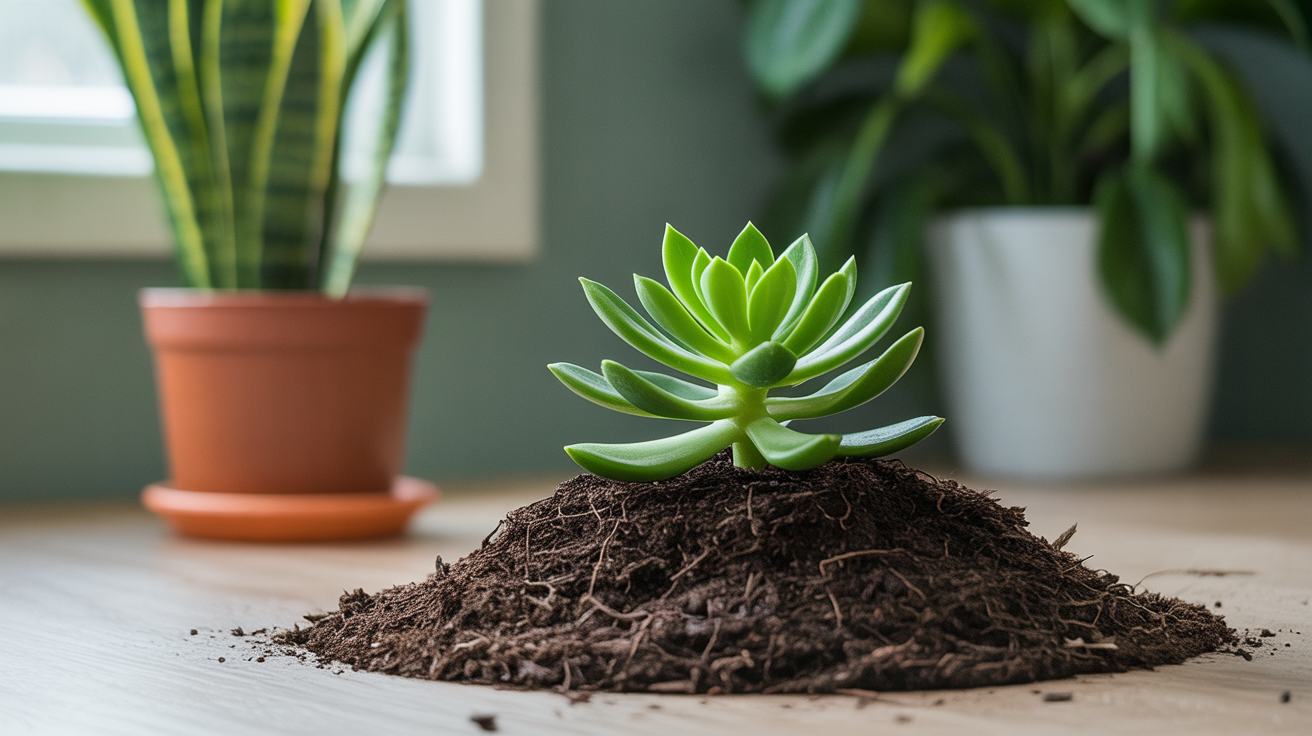
If you've noticed a hard, chalky crust creeping across the top of your potting mix or climbing up the inside rim of the pot, you're looking at a textbook case of salt buildup in plant soil. It looks worse than it usually is, and it isn't the same thing as mold, but it also isn't nothing. Left alone long enough, it changes how well roots take up water, and that shows up as symptoms that get blamed on everything except the actual cause. Fixing it is mostly plumbing, not chemistry, and you can do the whole job at the kitchen sink.
What's Actually Causing the White Crust
That crust is mineral residue left behind after water evaporates. Water carries dissolved salts and minerals into the pot; the water leaves through evaporation and transpiration, and the dissolved solids stay put, concentrating a little more with every watering. Over months, they build up on the soil surface, the pot rim, and inside the drainage hole. Three things usually feed it.
Fertilizer residue
Fertilizer, even the gentle liquid kind, is a package of mineral salts. Every feeding adds a small dose that plants can't fully absorb, and the leftover fraction stays in the mix. This is the single biggest contributor for most houseplant owners, especially anyone feeding at full strength year-round instead of easing off in the slower winter months.
Hard tap water
If your tap water is hard, meaning it carries a lot of dissolved calcium and magnesium, you're adding minerals with every watering even if you never fertilize at all. Hard water areas tend to see buildup faster, and in plants that get no fertilizer whatsoever, which is a useful clue when tracking down the source.
Evaporation
Water evaporates from the soil surface and pot rim faster than it does deeper in the root ball, so minerals end up concentrated right where you can see them. That's why the crust often looks worse than the actual salt load in the root zone would suggest.
How fast this builds up depends entirely on your water source and feeding habits. A plant watered with soft or filtered water and fed sparingly might go a year without any visible crust. One fed weekly with hard tap water can show a rim of white within a couple of months.
Telling Salt Buildup Apart from Mold or Mineral Staining
Mold on soil is fuzzy, often patchy, and can look white, gray, or pale yellow. It's a fungus responding to a moist, low-airflow surface, usually after overwatering or in a mix that stays damp too long. Salt crust is hard, brittle, and crystalline instead. Scrape it with a fingernail and it flakes rather than smears.
Mineral staining on a terracotta pot is a related but mostly harmless side effect: minerals wick through the porous clay and leave a pale ring on the outside. That's cosmetic, though it often shows up alongside soil crust since both come from the same water.
If you're unsure, check the location. Fuzzy patches on damp mix near the plant's base point to mold. A hard crust on the surface, rim, or around the drainage hole points to salt.
Signs That Point to Salt Buildup, Not Something Else
The crust itself is a visual cue, but the plant usually shows symptoms first.
Crispy, browned leaf tips and margins. Salt buildup pulls water out of leaf tissue rather than letting the plant draw water in normally, and the tips and edges, being furthest from the water supply, dry out first. This looks similar to underwatering, which is why it gets mislabeled so often. If your routine already matches how often to water houseplants and how to know for sure and the tips keep browning anyway, salt buildup is worth checking next.
Stalled growth despite otherwise normal care. A plant sitting in a salty root zone struggles to take up water and nutrients efficiently. Growth slows to a crawl rather than stopping outright, and new leaves may come in smaller.
Dark, mushy, or sparse roots when you check them. Prolonged salt exposure can damage the fine root hairs that do most of the actual water uptake. This is a later-stage sign, usually alongside visible crust and leaf symptoms together.
If your plant's symptoms look more like yellowing lower leaves, soft brown patches, or a musty smell from the pot, you're probably dealing with a watering issue instead. Compare the two using overwatering vs. underwatering: how to tell the difference before assuming salt is the culprit, since the fixes are different.
How to Flush Salt Out of the Soil, Step by Step
Flushing runs enough plain water through the pot to dissolve built-up salts and carry them out the drainage hole, rather than letting them settle back into the mix.
- Move the plant somewhere flushing won't cause a mess. A sink, tub, or outdoors on a mild day all work.
- Break up or scrape off any visible crust first. A surface crust can partly block even soaking, so loosen it with a fork or your fingers before you start.
- Run room-temperature water through the pot slowly, in stages. Pour, let it fully drain, then pour again. A huge volume all at once tends to channel down the middle without rinsing the rest of the mix.
- Use several times the pot's volume in total, as a rough guide:
| Pot diameter | Water to run through (total, in stages) |
|---|---|
| 4 to 6 inches | About 4 to 6 cups |
| 8 to 10 inches | About 8 to 12 cups |
| 12 inches and up | About 3 to 4 quarts |
- Let the pot drain fully and empty the saucer right away. Standing runoff just reintroduces the salts you flushed out.
- Skip fertilizer for the next watering or two. There's no point flushing salts out only to add a fresh dose back in.
If water won't drain at all, or pools and takes ages to soak in, the buildup may have affected the mix's structure more than a flush can fix. At that point, a soil change makes more sense than fighting a pot that's stopped draining properly.
How Often to Flush, or When to Change the Soil Instead
For a plant fed regularly with average tap water, flushing every couple of months is a reasonable habit, loosely timed to the season or to whenever the crust starts reappearing. Skip the rigid schedule and just watch the soil surface and rim instead.
A full soil change beats repeated flushing when the crust returns within a few weeks, when water drains sluggishly even right after a thorough flush, when the plant is overdue for repotting anyway, or when you can see mineral crusting deep in the root ball rather than only on the surface.
If you're heading toward a soil change, it's worth pairing it with a look at the mix itself. Some blends hold onto minerals and fertilizer residue more than others; the best soil for houseplants, explained covers what makes a mix drain cleanly instead of trapping salts near the roots. And if this plant hasn't been repotted in a while, how to repot a houseplant without killing it walks through doing that without shocking the roots.
Keeping Buildup from Coming Back
Fertilize at half strength rather than full strength, since diluted feeding cuts the mineral load going in without much cost to growth. Ease off feeding during the slower months when the plant isn't growing much anyway. If your water is noticeably hard, letting tap water sit out overnight won't remove dissolved minerals (that only helps with chlorine), but switching to filtered water occasionally, or mixing in rainwater when you have it, does help over time. Build an occasional flush into routine maintenance rather than waiting for symptoms to show up.
Frequently Asked Questions
Is salt buildup dangerous, or just ugly?
Both, depending on how far it's gone. A light crust is mostly cosmetic. Left to accumulate for a long time, it affects root health and water uptake, which is where crispy leaf tips and stalled growth come from. Catching it early and flushing occasionally keeps it in the harmless category.
Can I just wipe the crust off instead of flushing?
You can remove the visible surface crust as a first step, but that doesn't address what's accumulated deeper in the root zone. Scraping the surface and then flushing gives you the actual fix.
Will filtered or distilled water remove buildup that's already there?
No. Switching water sources slows how fast new buildup forms, but it doesn't dissolve what's already in the mix. You still need to flush or replace the soil to clear existing buildup.
Does this happen to succulents and cacti too?
Yes, it happens to any potted plant watered with mineral-rich water or fed regularly. Because succulent and cactus mixes drain fast and dry out quickly, buildup can actually show up sooner on the surface, even though the plants often tolerate it a bit longer before showing stress.
Should I flush a plant that's already stressed or wilting?
Stabilize it first. A flush uses a fair volume of water in a short window, which isn't ideal for a plant already struggling with root damage or bone-dry soil that needs a slower rehydration. Get the plant stable, then flush once it's out of crisis.