Plant Profiles
Rubber plant care guide for people who kill everything else
A full rubber plant care guide: light, watering, humidity, pruning, repotting, pet safety, and why the leaves stay glossy on their own.
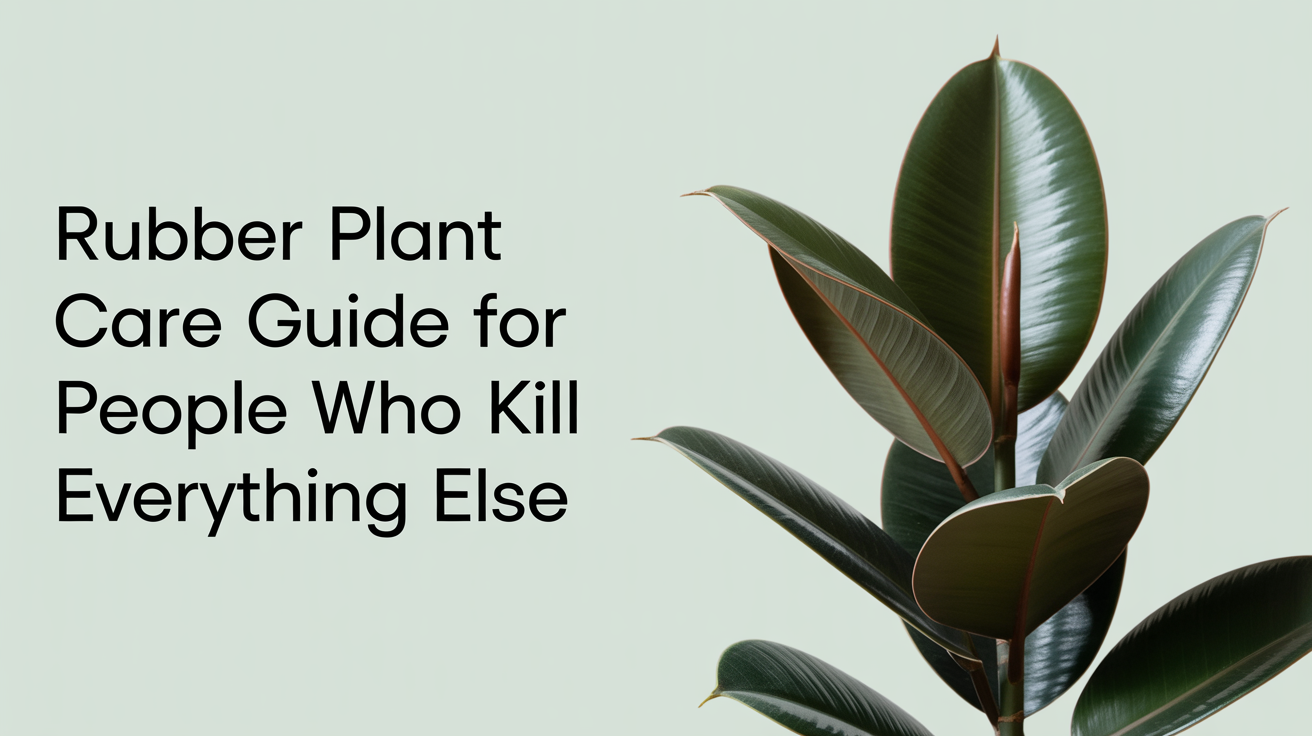
If you have a track record of houseplant casualties, the rubber plant (Ficus elastica) is the one to try next. Good rubber plant care comes down to a handful of habits rather than a strict schedule, and the plant is patient with the mistakes that kill more delicate species. It shrugs off missed waterings, tolerates a range of light, and rewards you with thick, paddle-shaped leaves that look polished without any effort on your part. This guide covers what it actually needs, not the vague care tag that comes stuck in the pot.
Rubber Plant Light Requirements
Rubber plants want bright, indirect light. Think a spot near an east or west-facing window, or a few feet back from a south-facing one where the sun doesn't hit the leaves directly for hours at a time. Direct midday sun through unfiltered glass can scorch the leaves, leaving pale or brown patches that never fully recover.
That said, this is one of the more light-tolerant houseplants out there. It will survive in lower light, including a spot a bit further from a window, but you'll notice the trade-off over time: growth slows down, new leaves come in smaller, and the stem starts stretching toward whatever light it can find instead of filling out. If your rubber plant is getting leggy, with long bare gaps between leaves, that's the plant telling you it wants more light, not more water or fertilizer.
Rotating the pot every few weeks helps it grow evenly instead of leaning hard toward the window. If your space is genuinely dim, a rubber plant isn't the worst choice, but you'll get a fuller, faster-growing plant somewhere brighter. For rooms that really don't get much natural light, it's worth looking at plants built for those conditions instead of forcing a light-hungry species to cope.
Watering: Go by the Soil, Not the Calendar
The single biggest reason rubber plants die is overwatering, so ignore any advice that gives you a fixed rubber plant watering schedule like "once a week." Instead, check the top two inches of soil with a finger. If it's still damp, wait. If it's dry, water thoroughly until it runs from the drainage holes, then let the pot drain completely and never let it sit in a saucer of standing water.
How often that works out to depends on your home. In a bright room during summer, that might mean watering every week to ten days. In a dimmer spot over winter, it could stretch to three weeks or more between waterings, because the plant is using less water while it's growing more slowly. Terracotta pots dry faster than glazed ceramic or plastic ones, and a bigger pot holds moisture longer than a snug one, so two identical plants in different containers can be on completely different rhythms.
Rubber plants are more forgiving of underwatering than over. A slightly wilted, thirsty plant perks right back up after a good drink. Roots sitting in soggy soil for weeks, on the other hand, start to rot, and that damage is much harder to undo.
Humidity and Temperature
Rubber plants are not fussy about humidity the way a fern or calathea can be. Average home humidity is fine, and you don't need a humidifier or pebble tray to keep one happy, though it won't complain if you have one running for other plants nearby.
Temperature swings and cold drafts are more of an issue. Keep the plant away from drafty windows, exterior doors that open often in winter, and heating vents that blast hot, dry air directly onto the leaves. A sudden temperature change, like a plant left too close to a window during a cold snap, is a common cause of leaf drop. The plant isn't sick; it's reacting to stress, and it usually stabilizes once conditions do.
Why Rubber Plant Leaves Are So Glossy
New owners are sometimes tempted to buy a commercial leaf shine spray to make the foliage gleam, but rubber plants already do this on their own. The thick, waxy cuticle on each leaf is a natural adaptation that reflects light and helps the plant retain moisture, and it's what gives the leaves their glossy, almost polished look straight out of the greenhouse.
Leaf shine products can actually clog the pores on the leaf surface over time, interfering with how the plant breathes and takes in light. All a rubber plant needs to keep that shine is an occasional wipe-down with a damp cloth to clear away dust, which also lets you inspect both sides of the leaf for early signs of pests. If you want the specifics on doing this without damaging the leaves, there's a dedicated guide on cleaning houseplant leaves worth a look.
Pruning to Control Height and Encourage Branching
Left alone, a rubber plant will grow as a single tall stem, and indoors that can eventually reach ceiling height. If you want a bushier, more branched shape instead of a lone pole with leaves, pruning is how you get there.
The basic method: once the plant has reached a height you're comfortable with, cut the main stem just above a leaf node using clean, sharp shears. That cut triggers the plant to send out new growth from buds below the cut, usually resulting in two or more new stems where there was one. Spring or early summer, when the plant is actively growing, is the best time to do this, since it recovers and pushes new growth faster than during a slow winter stretch.
Expect a milky, latex-like sap to ooze from any cut you make. This is completely normal for a Ficus and stops on its own after a few minutes. It can irritate skin, so wipe it up with a paper towel and wash your hands afterward rather than letting it dry on your fingers.
Repotting a Rubber Plant
Rubber plants don't need to be repotted often. Every one to two years is typical for a younger, actively growing plant, and a mature one that's reached the size you want can go even longer between repots. The clearest sign it's time is roots circling the bottom of the pot or growing out of the drainage holes, or a plant that seems to dry out unusually fast after watering.
When you do repot, size up gradually, moving into a pot only one to two inches wider in diameter rather than jumping several sizes at once. An oversized pot holds far more soil than the roots can use, and that extra soil stays wet for too long, which sets the stage for root rot. Fresh, well-draining potting mix at repotting time also gives the plant a nutrient boost, since houseplant soil depletes over a year or two of regular watering. Getting this step right matters more than people expect, and choosing the right pot size and material is worth doing properly rather than grabbing whatever's on sale.
Common Problems and What They Mean
Leaves Dropping
Sudden leaf drop is almost always a stress response, most often to a cold draft, a big swing in temperature, or a recent move to a new spot with different light. It can also follow overwatering. Check the soil first, then think back to any recent changes near the plant before assuming the worst.
Leaves Drooping or Curling
A droopy rubber plant is usually thirsty and needs water soon, but soft, yellowing, droopy leaves paired with wet soil point to overwatering instead. The soil check is the fastest way to tell the two apart, since the symptoms can look similar from a distance.
Leggy Growth With Sparse Leaves
This means the plant isn't getting enough light. Move it somewhere brighter and prune back the leggy stem to encourage fuller, closer growth once conditions improve.
Growth rate on a rubber plant varies a lot depending on light, season, and how root-bound the pot is. A plant in bright light during the growing season can put out new leaves regularly, while the same plant in a dim corner over winter may barely grow at all. Neither is necessarily a problem; it's just the plant matching its growth to what it's getting.
Is a Rubber Plant Safe Around Pets?
The milky sap inside a rubber plant's stems and leaves is mildly irritating if a pet chews on the plant, and it can cause drooling, mild stomach upset, or skin irritation on contact. It's not considered highly toxic, but it's still worth keeping the plant out of reach of curious cats or dogs and out of the way of small children who might pull at the leaves. If pet safety is your main priority when choosing plants, it's worth browsing options that are safe for households with pets from the start, since a rubber plant isn't in that category even if the risk is low.
Frequently Asked Questions
How often should I water my rubber plant?
There's no fixed schedule. Water when the top two inches of soil are dry, which might be every week or two in bright, warm conditions and much less often in winter or lower light.
Why is my rubber plant losing leaves?
The most common causes are cold drafts, sudden temperature changes, a recent move to different light conditions, or overwatered soil. Check the roots and recent conditions rather than assuming disease.
Does a rubber plant need bright light to survive?
No, it can tolerate lower light, but growth slows and the stem tends to stretch and get leggy. For full, steady growth, bright indirect light works best.
Is rubber plant sap dangerous?
It's mildly irritating to skin and to pets if chewed, but it's not considered highly toxic. Wipe it off skin and keep the plant away from pets that like to nibble on leaves.
How big does a rubber plant get indoors?
Given enough light, time, and repotting, an indoor rubber plant can eventually reach ceiling height as a single stem. Regular pruning keeps it shorter and encourages a bushier shape instead.