Indoor Setup
The Best Low-Light Houseplants for Dark Rooms
Discover the best low light houseplants that thrive in dim rooms—from pothos to cast iron plants. Practical care tips included.
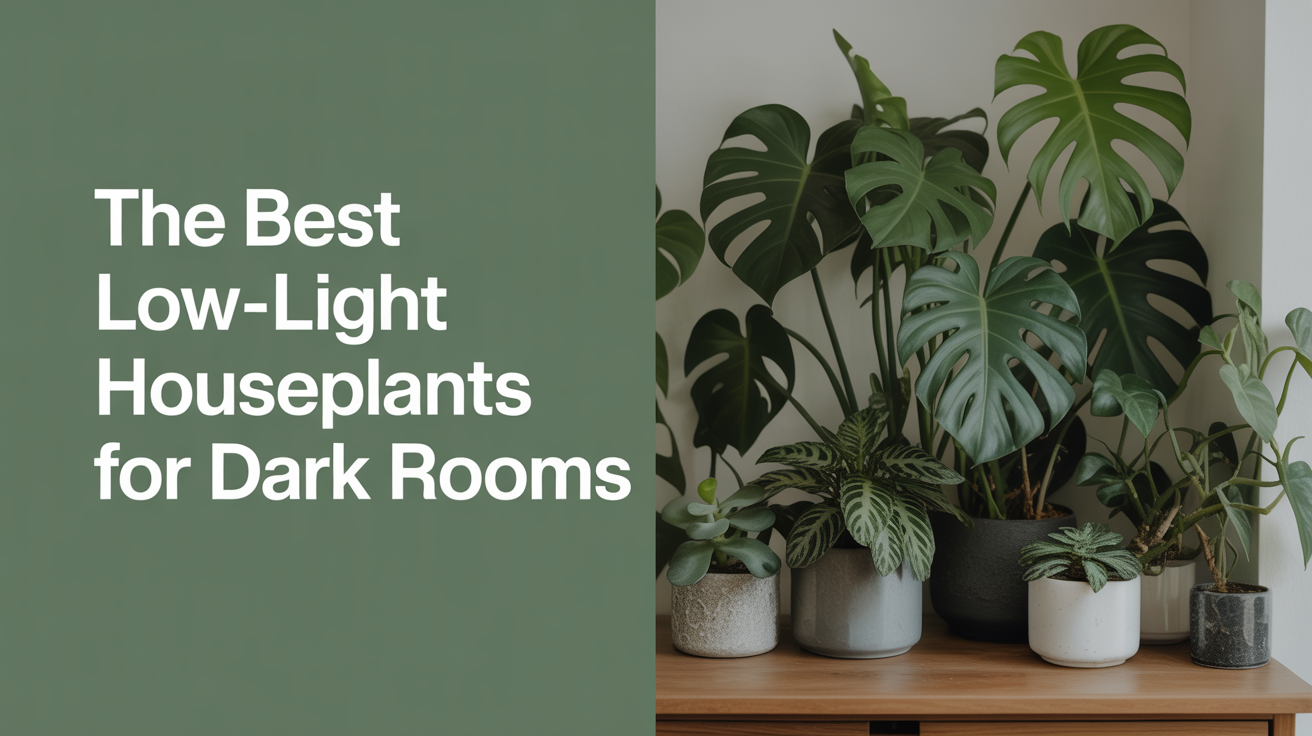
Not every room gets a sunny window, and that's fine. A surprising number of houseplants evolved on tropical forest floors, where filtered, low-intensity light is the norm. The following species genuinely tolerate dim conditions rather than just surviving for a few months before declining. Pick the right plant for the light you actually have, and you'll spend a lot less time troubleshooting.
At a Glance
- "Low light" means no direct sun and roughly 50 to 250 foot-candles, not a windowless room.
- ZZ plant and cast iron plant tolerate the dimmest conditions and the longest gaps between waterings.
- Cast iron plant is the only species below that's non-toxic to cats and dogs, per the ASPCA.
- Low light slows both growth and soil drying, so most of these need watering less often than the same species would in a bright room.
- Leggy stems, smaller new leaves, and fading variegation are the clearest signs a plant needs more light than its current spot provides.
- A supplemental grow light, not a "more tolerant" plant, is the real fix for a truly windowless room.
What "Low Light" Actually Means
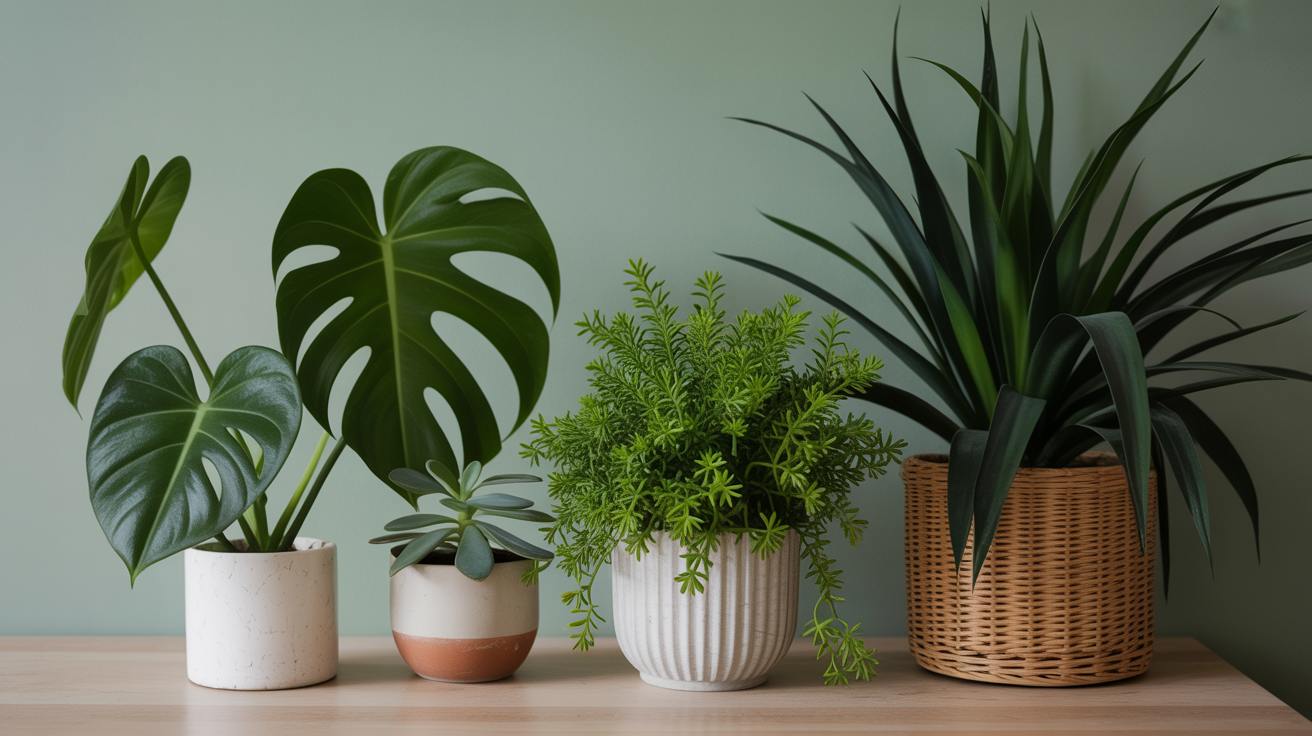
Before buying any plant, it helps to define terms. In houseplant care, "low light" usually describes a spot that receives no direct sun and sits more than 6 feet from the nearest window, or one that relies on overhead fluorescent or LED room lighting.
University of Minnesota Extension puts a number on it: low light falls in the range of roughly 50 to 250 foot-candles, suitable for "a north window or a fairly dark corner." Medium light runs from about 250 to 1,000 foot-candles, and high light (a south- or southwest-facing window) exceeds 1,000 foot-candles. Most of the species on this list are understory plants in the wild, adapted to grow under a forest canopy that filters out the bulk of direct sunlight, which is exactly why they tolerate a dim living room so well.
That said, there are limits. A completely dark interior bathroom where you never flip on the light is genuinely too dark for almost anything living. Most of the plants below need at least ambient daylight filtering into a room, even if it never touches the plant directly. If that's not what you have, a small grow light can fill the gap. See our beginner's guide to grow lights for what to look for.
A quick way to check your light level without a meter: hold your hand about a foot above a white sheet of paper in the middle of the day. A sharp shadow means bright indirect light. A soft, blurry shadow is medium light. No shadow at all is low light.
The Best Low-Light Houseplants
Pothos (Epipremnum aureum)
Pothos is the default recommendation for low-light rooms for good reason. It grows in nearly every indoor condition short of a windowless closet, trails attractively from shelves, and bounces back from inconsistent watering. The golden variety is the most forgiving; the marble queen and neon varieties both need slightly more light to keep their variegation vivid.
Water when the top 2 inches of soil are dry, roughly every 7 to 10 days in warm months and every 12 to 14 days in winter. Pothos tolerates a lot, but sitting in waterlogged soil for weeks will cause root rot. Note: pothos is toxic to cats and dogs, so place it out of reach if you have pets. Our pothos care guide for beginners covers propagation if a low-light vine starts looking sparse and you want to bulk it up with cuttings.
ZZ Plant (Zamioculcas zamiifolia)
The ZZ plant has become a staple in office lobbies and dark apartments because it stores water in thick rhizomes below the soil. NC State Extension notes it "will grow in very low levels of light, even in areas with only fluorescent light," and can go 3 to 4 weeks between waterings without complaint since the fleshy leaves and rhizomes store water like a succulent would.
ZZ plants push out new growth in flush spurts rather than continuously. Don't panic if nothing seems to be happening for a month or two; wait until late spring and new stems will likely appear. Keep it away from children and pets, as all parts of the plant are toxic if ingested. Our ZZ plant care guide goes deeper on propagating it by rhizome division.
Snake Plant (Dracaena trifasciata, formerly Sansevieria)
Snake plants have been sold as near-indestructible for years, and while that's slightly overstated, they do tolerate low light and infrequent watering better than most. The upright, architectural leaves read well in corners where other plants would look lost.
Water every 3 to 6 weeks in low-light conditions during winter; soil should be completely dry before the next watering. The most common way to kill a snake plant is overwatering, especially in dim spots where the soil takes much longer to dry out. Root rot sets in quietly, so if the lower leaves start to feel soft or mushy at the base, act quickly. Our guide to treating root rot and saving your plant walks through the steps, and our complete snake plant care guide covers propagation and repotting timing specific to this species.
Heartleaf Philodendron (Philodendron hederaceum)
This is a close competitor to pothos in low-light performance, with softer, heart-shaped leaves and a similarly trailing habit. It grows a bit faster than pothos in the same conditions and handles the kind of dim corner light that many apartments offer.
Feed it a diluted balanced liquid fertilizer once a month during spring and summer. In low light, fertilizing less frequently is actually better: without enough light to fuel growth, excess nutrients just sit in the soil and can burn roots. Our guide to philodendron types and care has more on identifying which philodendron variety you actually have.
Peace Lily (Spathiphyllum wallisii)
Peace lilies are one of the few flowering plants that genuinely bloom in low light. Flowers are white spathes that last several weeks; the glossy dark foliage looks good year-round even when the plant isn't in bloom. They droop dramatically when they want water, which makes their needs easy to read once you know the pattern.
Keep the soil lightly moist (not soggy) and mist the leaves occasionally in heated winter rooms, which tend to be dry. Peace lilies are toxic to cats and dogs. Our peace lily care guide covers how to coax reluctant plants into blooming again.
Chinese Evergreen (Aglaonema spp.)
Aglaonemas come in an unusual range of colors, from deep green to pink to red, and the darker-leafed varieties handle low light better than the flashy patterned ones. For dim rooms specifically, stick with cultivars that have mostly green leaves; they contain more chlorophyll and process whatever light is available more efficiently.
They're slow growers that dislike cold drafts, so keep them away from air conditioning vents.
Cast Iron Plant (Aspidistra elatior)
The name says it. Cast iron plants were popular in Victorian parlors for a reason: gas lighting, coal soot, and sporadic care couldn't kill them. They're the choice for genuinely neglected spots, growing slowly in conditions that would stress most other houseplants. It's also the rare low-light plant that's non-toxic to both cats and dogs, according to the ASPCA, which makes it worth prioritizing in a pet-owning household over the pothos or philodendron most articles default to.
Expect no dramatic growth spurts. A mature cast iron plant might produce 3 to 4 new leaves in a year under low-light conditions, and that's normal. Water every 2 to 3 weeks, use well-draining soil, and you're done.
Quick-Reference Table
| Plant | Light Tolerance | Water Frequency (Low Light) | Pet Safe? | Growth Speed |
|---|---|---|---|---|
| Pothos | Low to medium | Every 7 to 14 days | No | Fast |
| ZZ plant | Low to medium | Every 3 to 4 weeks | No | Slow |
| Snake plant | Low to medium | Every 3 to 6 weeks | No | Slow |
| Heartleaf philodendron | Low to medium | Every 7 to 10 days | No | Fast |
| Peace lily | Low to medium | Keep lightly moist | No | Medium |
| Chinese evergreen | Low to medium | Every 7 to 14 days | No | Slow |
| Cast iron plant | Very low | Every 2 to 3 weeks | Yes | Very slow |
Most popular houseplants are toxic to pets and/or children. Always verify a specific plant's safety with the ASPCA's toxic and non-toxic plant database before bringing it home.
Setting Up a Dark Room for Plants
Choosing the right plant is half the equation. The other half is giving it the best possible version of its available light.
Keep leaves clean. Dust buildup on leaves can reduce a plant's ability to absorb available light by a measurable amount. Wipe large leaves with a damp cloth every few weeks. Our guide on cleaning houseplant leaves the right way covers the technique for both smooth and fuzzy leaves.
Use light-colored containers and surfaces. White or pale-colored pots and light-painted walls reflect ambient light back toward the plant. It's a small effect, but in genuinely dim rooms it adds up.
Rotate plants periodically. Plants lean toward their light source over time. Rotating the pot a quarter turn every few weeks keeps growth even and ensures all sides of the plant get equal exposure.
Reconsider pot size. In low-light spots, soil dries much more slowly than it would near a bright window. A pot that's too large for the plant will hold moisture for weeks and increase root rot risk. When potting up low-light plants, go only one pot size larger at a time. For more on matching pot size to plant needs, see our guide on how to choose the right pot for your plant.
Skip heavy fertilizing. Without strong light, plants process nutrients slowly. Fertilizing on a bright-window schedule in a dim room leads to salt buildup in the soil. Cut frequency in half compared to the label's recommendation for low-light placements.
Signs Your Plant Needs More Light
Even tolerant plants show stress if light drops below their minimum. Watch for:
- Leggy, stretched stems with large gaps between leaves (etiolation)
- Leaves smaller than normal, especially on new growth
- Loss of variegation on patterned varieties, which revert to plain green as the plant tries to capture more light
- Very slow or no growth over multiple growing seasons
- Yellowing lower leaves that drop off in consistent rotation
If you see two or more of these, moving the plant closer to a window or adding a small grow light usually resolves things within a few months. A ZZ plant, for comparison, is expected to grow slowly even in decent light, so don't mistake its normal pace for a light problem; the difference is whether it's producing any new growth at all across a full season.
Frequently Asked Questions
Can any plant survive in a room with no natural light?
Almost nothing thrives without any natural light at all. You can supplement entirely with artificial grow lights (full-spectrum LEDs work well), which allows even light-hungry plants to live in otherwise dark rooms. For spaces with zero windows, a grow light running 12 to 14 hours a day is your best option rather than relying on a "low-light" plant to do the impossible.
How do I know if my low-light plant is getting enough light?
Healthy growth rate is the most reliable signal. A ZZ plant producing 2 to 3 new stems per growing season is doing well. If the same plant hasn't pushed a single new leaf in 18 months, it could use more light. The leggy, stretched-stem look described above is another clear indicator.
Do low-light plants need less water?
Generally, yes. Less light means slower growth and slower evaporation from the soil, so soil stays wet longer. If you water on the same schedule as you would near a bright window, you'll likely overwater. Always check soil moisture before watering rather than watering on a fixed schedule.
What's the easiest low-light plant for someone who forgets to water?
The cast iron plant and ZZ plant are the two best options for truly irregular watering. Both store water in their root systems and tolerate being dry for 3 to 4 weeks. Between the two, the ZZ plant is slightly easier to find at most garden centers.
Are there any low-light plants that are safe for cats and dogs?
Most popular low-light houseplants are toxic to pets. The cast iron plant (Aspidistra elatior) is one of the few genuinely low-light-tolerant options that the ASPCA lists as non-toxic to both cats and dogs. For more pet-safe options across all light levels, check with your veterinarian or the ASPCA's online database before making a purchase.
Will a low-light plant ever grow as large as it would in a bright window?
No, not usually. Lower light caps how much energy a plant can put toward new growth, so a pothos or philodendron in a dim corner will stay noticeably smaller and slower-growing than the same species on a bright windowsill, even after several years. That's not a sign of poor health if the plant is otherwise green and steadily (if slowly) producing new leaves. If you want maximum size, pair a tolerant species with a small grow light rather than expecting a sunless corner to match a bright room's results.