Styling & Display
The Best Trailing Plants for Shelves and Hangers
Discover the best trailing plants for shelves and hangers, with care specifics on light, watering, and temperature for each trailing houseplant.
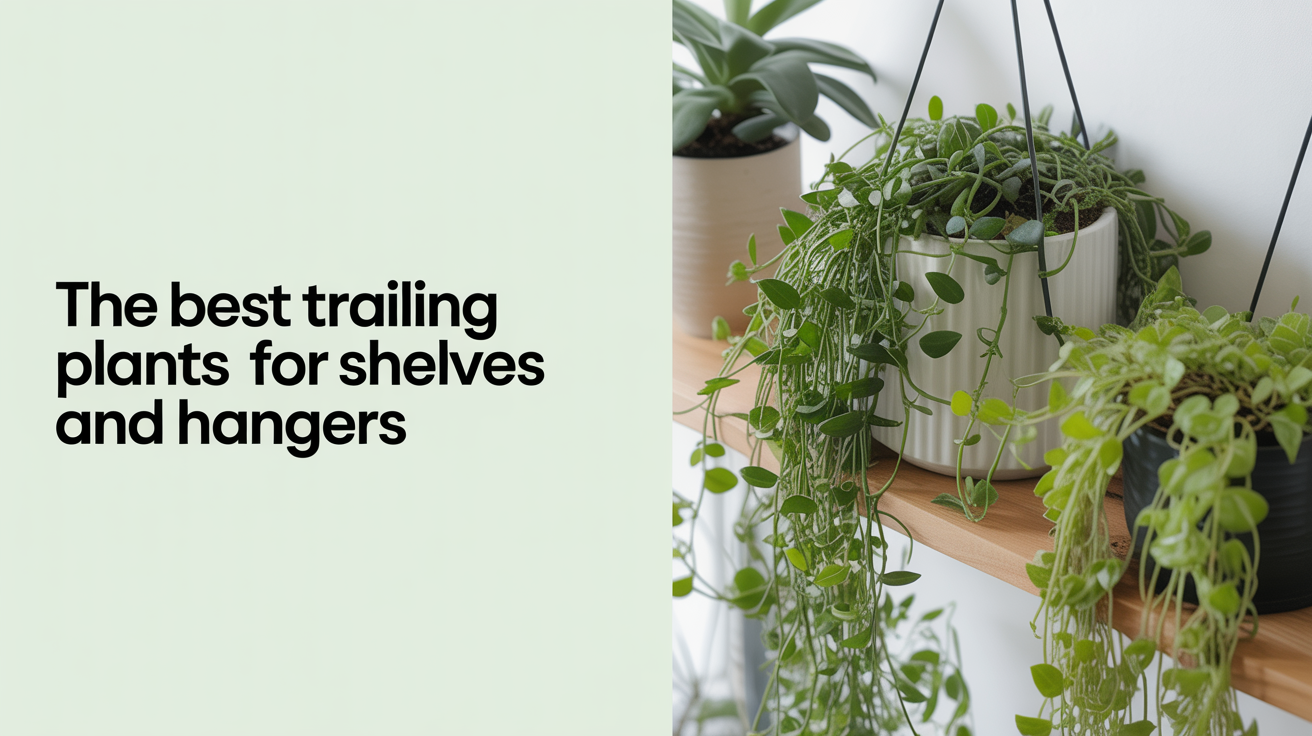
A trailing plant does something no upright specimen can: it fills vertical space by falling. Hang one from a ceiling hook, set it on a high shelf, or drape it over the edge of a bookcase, and the room immediately feels more layered. The good news is that many of the best trailing plants are also forgiving, which makes them practical choices even if your windowsill track record is mixed.
This guide covers the trailing houseplants that consistently perform well indoors, with concrete care details so you know exactly what each one needs before you bring it home.
At a Glance
- Easiest starting point: pothos and heartleaf philodendron tolerate inconsistent watering and a range of light levels.
- Brightest spot needed: string of pearls wants at least a few hours of direct or very bright indirect light, or the beads space out.
- Watch the calendar: most trailing plants stretch their watering interval from 7 to 10 days in summer to 3 to 4 weeks in winter.
- Check before you hang it near pets: pothos, heartleaf philodendron, and tradescantia are toxic if ingested; hoya is one of the few trailing plants generally considered non-toxic.
- Drainage is non-negotiable: every plant on this list rots faster in a pot without drainage holes than it thrives in one with a pretty cachepot and no outlet.
- Legginess has one fix: more light first, then pruning to force branching.
What to Look for in a Trailing Plant
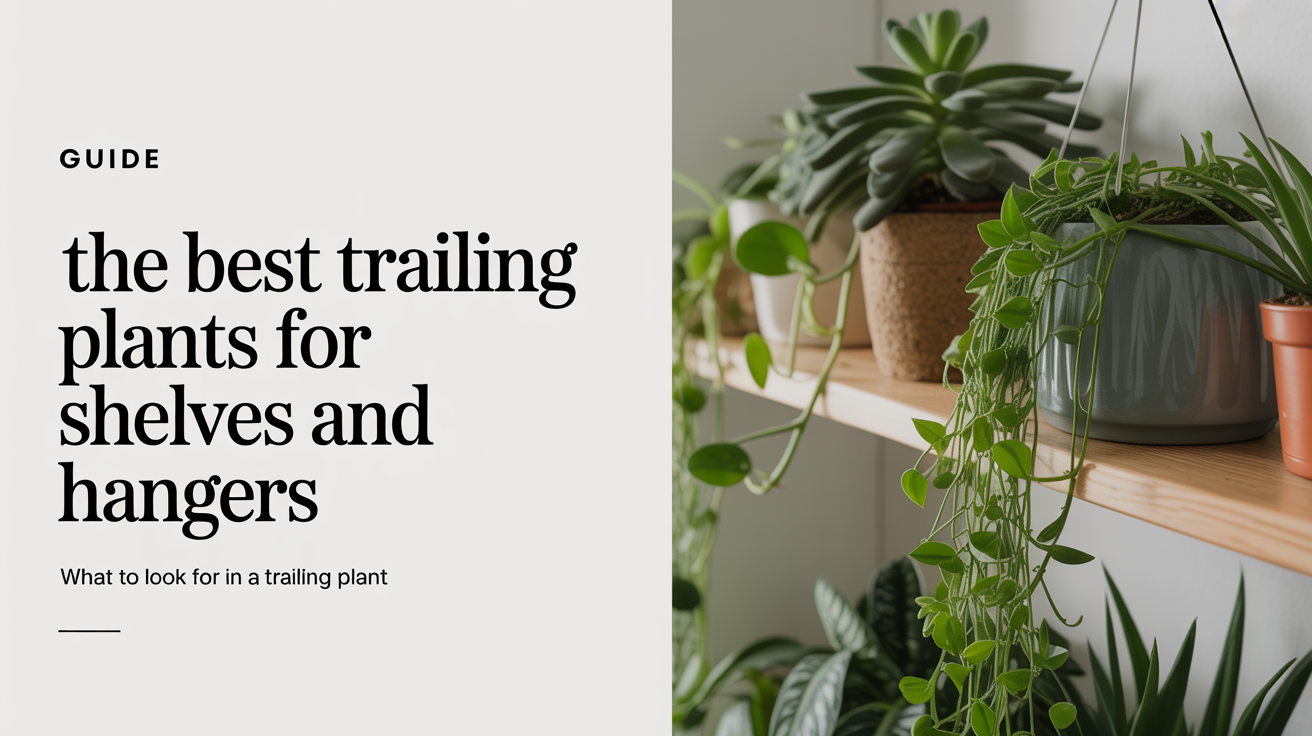
Not every plant that vines or sprawls looks good once the trails lengthen. A few things separate the genuinely great trailing houseplants from the ones that go straggly.
Trail length and density. Some plants, like pothos, produce long, full vines that look lush at any length. Others, like string of pearls, stay delicate and are better appreciated up close. Think about how high the shelf or hook is before choosing.
Tolerance for the spot you have. A high shelf near a north-facing window is a very different environment from a south-facing macrame hanger. Matching the plant to the actual conditions matters more than picking whatever looks good at the nursery. The NC State Extension profile for pothos notes it tolerates everything from deep shade to bright indirect light, which is part of why it turns up on nearly every list like this one.
Pet and child safety. Several popular trailing plants are toxic if ingested, including pothos and heartleaf philodendron. The ASPCA's page on pothos lists oral irritation, drooling, and vomiting as the typical symptoms in cats and dogs, caused by insoluble calcium oxalate crystals in the sap. Check safety before placing anything where curious hands or paws can reach the trailing vines. Leaf and Loam is an independent resource providing general information, not professional advice, so confirm toxicity with a veterinarian or poison control if you have concerns.
The Best Trailing Plants for High Shelves
High shelves are the natural home for long-vining trailing houseplants. The vines cascade down the front of the shelf, which looks intentional even when you do nothing special to train them.
Pothos (Epipremnum aureum)
Pothos is probably the most widely grown vining indoor plant, and for good reason. It adapts to a wide range of light levels, from low light (though growth slows considerably) to bright indirect. In medium to bright indirect light, vines can reach several feet over a single growing season.
Water pothos when the top 1 to 2 inches of soil feel dry, which usually means every 7 to 10 days in spring and summer and every 12 to 14 days in winter. It prefers temperatures between 60 and 85°F (15 to 29°C) and tolerates the dry air common in most homes. Golden pothos, marble queen, and neon are all good shelf varieties.
Heartleaf Philodendron (Philodendron hederaceum)
The heartleaf philodendron produces glossy, heart-shaped leaves on long, flexible stems that trail gracefully over a shelf edge. It prefers medium to bright indirect light and dislikes sitting in soggy soil. Water when the top inch of soil is dry, roughly every 7 to 10 days in active growth.
Like pothos, heartleaf philodendron is toxic to cats and dogs, so placement matters. Keep it out of reach if you have pets.
Tradescantia (Tradescantia zebrina and T. fluminensis)
Tradescantia grows quickly and produces striking striped leaves in purple, green, and silver. It prefers medium to bright indirect light and benefits from consistent moisture: let the top inch of soil dry between waterings, then water thoroughly. In low light, the leaf color fades to plain green and the stems stretch toward the window.
Temperatures between 60 and 80°F (15 to 27°C) suit tradescantia well. Pinch back leggy stems to encourage bushier growth and more cascading fullness from the shelf.
Hoya (Various species)
Hoyas (wax plants) are slower growers than pothos or tradescantia, but they reward patience. The waxy, sometimes variegated leaves look polished at any length, and some species produce clusters of small, fragrant flowers once they mature. Hoyas prefer bright indirect light, 65 to 85°F (18 to 29°C), and a thorough watering every 10 to 14 days, letting the soil dry out significantly between sessions.
Hoya carnosa and Hoya pubicalyx are two reliable starting points. Both trail nicely over a shelf, and they handle a bit of neglect without drama. Hoya is also one of the few trailing houseplants the ASPCA lists as non-toxic to both dogs and cats, which makes it worth considering first if pets share the room.
For more ideas on arranging trailing plants alongside other specimens, see how to style houseplants like a designer.
The Best Trailing Plants for Hanging Baskets
Hanging baskets sit at eye level or just above, which changes what you want from a plant. You see the top of the pot and the underside of the trails, so dense, fine-textured foliage tends to look better than single long vines.
String of Pearls (Senecio rowleyanus)
String of pearls is a succulent, which means it stores water in those round bead-like leaves. It needs bright light, at least a few hours of direct sun indoors or very bright indirect light near a south or west window. Too little light and the beads space out, making the strings look sparse.
Water sparingly. Let the soil dry completely between waterings, then water thoroughly and let it drain. In summer, this might mean watering every 14 to 18 days. In winter, every 21 to 28 days is often enough. Cold temperatures below 50°F (10°C) can damage the plant, so keep it away from drafty windows in winter.
String of Hearts (Ceropegia woodii)
String of hearts produces small, heart-shaped leaves on thin, wiry stems that can reach 3 to 4 feet. The leaves are dark green on top with silver marbling and purple on the underside. Like string of pearls, it's a semi-succulent and prefers to dry out between waterings.
Place it in bright indirect light. Direct afternoon sun can scorch the leaves, but a spot near a bright east or west window works well. Temperatures between 60 and 80°F (15 to 27°C) keep it healthy.
Dischidia
Dischidia is less common than the others on this list, but it earns its place in a hanger. The leaves are small and rounded, and the trailing stems can look almost moss-like in good light. It prefers medium to bright indirect light and likes to dry out slightly between waterings. Water every 10 to 14 days, less often in winter.
Dischidia is an epiphyte in nature, so good drainage is non-negotiable. A chunky, fast-draining potting mix helps prevent root rot, which is the main way to lose one.
If ceiling hooks are off the table in your space, a tall plant stand is another way to get the same cascading effect at eye level. See hanging plant ideas for small spaces for low-hook alternatives.
Watering, Light, and Watch-Outs at a Glance
The table below lines up the seven plants side by side so you can compare watering cadence and light needs before you decide where each one goes.
| Plant | Light Needed | Typical Watering Interval (Growing Season) | Toxic to Pets? |
|---|---|---|---|
| Pothos | Low to bright indirect | 7 to 10 days | Yes |
| Heartleaf philodendron | Medium to bright indirect | 7 to 10 days | Yes |
| Tradescantia | Medium to bright indirect | 5 to 7 days | Yes |
| Hoya | Bright indirect | 10 to 14 days | No |
| String of pearls | Bright to direct | 14 to 18 days | Yes |
| String of hearts | Bright indirect | 10 to 14 days | Mildly toxic |
| Dischidia | Medium to bright indirect | 10 to 14 days | Non-toxic to pets |
Care Basics for Trailing Houseplants
Trailing plants share a few common care patterns that are worth knowing before you set them up.
Watering and Drainage
Every trailing plant listed here will rot in a pot without drainage holes. If you love a decorative cache pot, that's fine, but nest the grower's pot inside it and tip out any water that collects in the bottom after watering.
Most trailing houseplants want to partially dry out between waterings rather than staying consistently moist. The exception is tradescantia, which prefers slightly more moisture. When in doubt, check the soil before watering rather than following a fixed schedule.
Pruning for Fuller Trails
Long, sparse vines are common when a plant isn't getting quite enough light. Trimming back the longest stems encourages the plant to branch, which produces more trails and a fuller look. As a rough rule, cut back to just above a node once a vine has grown past the point where you'd want it to end, and expect two new growth points to emerge near the cut within a few weeks. Most vining plants root easily in water or soil, so those cuttings don't have to go to waste.
Feeding During the Growing Season
A balanced liquid fertilizer diluted to half strength every four weeks during spring and summer is enough for most trailing houseplants. Skip fertilizing in fall and winter when growth naturally slows. Feeding a dormant plant does not speed up growth; it mostly builds up unused salts in the soil, which can show up later as brown, crispy leaf tips.
Frequently Asked Questions
What is the easiest trailing houseplant for beginners?
Pothos is the most forgiving option. It tolerates inconsistent watering, adapts to a range of light levels, and gives clear signals when it's thirsty (the leaves droop slightly). Heartleaf philodendron is a close second and behaves very similarly.
Can trailing plants grow in low light?
A few can manage in lower light conditions, notably pothos and heartleaf philodendron. They grow more slowly and may lose some variegation, but they'll stay alive. Plants like string of pearls and hoya genuinely need bright light to look their best and will decline in dim spots. If most of the room you're decorating only gets filtered north light, it's worth comparing this list against the best low-light houseplants for dark rooms before committing to a hanger position.
How do I stop my trailing plant from getting leggy?
Legginess usually means the plant is reaching for more light. Moving it closer to a window often helps. Pinching or trimming back the longest stems also encourages new growth from lower on the vine, which makes the plant fuller over time.
Do hanging plants need special pots?
They need pots with drainage holes and a lightweight potting mix. Heavy ceramic pots can work on shelves, but hanging baskets are usually better suited to plastic nursery pots or lightweight terracotta. If you're using a macrame hanger, check the weight limit before loading a heavy planter, and remember that soil gets heavier for a day or two right after a thorough watering.
Are trailing plants safe for pets?
Several popular trailing plants are toxic to cats and dogs. Pothos, heartleaf philodendron, and tradescantia can all cause digestive issues if ingested. String of pearls is also toxic. Hoya is generally considered non-toxic to pets, making it one of the safer options for households with animals. Always verify with a vet or a reliable toxicity database, such as the ASPCA's toxic and non-toxic plant list, before placing any plant where a pet can reach it.
Do I need to root a cutting before I can start a new hanging plant?
No, but it helps if you want a fuller pot from day one. Most of the vining plants on this list, especially pothos and tradescantia, root readily from a healthy stem cutting placed in water or moist soil, so a single mature plant can become two or three hangers over a season.