Pests & Problems
Why Are My Plant's Leaves Drooping
Plant leaves drooping? This guide covers the most common causes of a wilting houseplant and concrete fixes for each, from watering to pests.
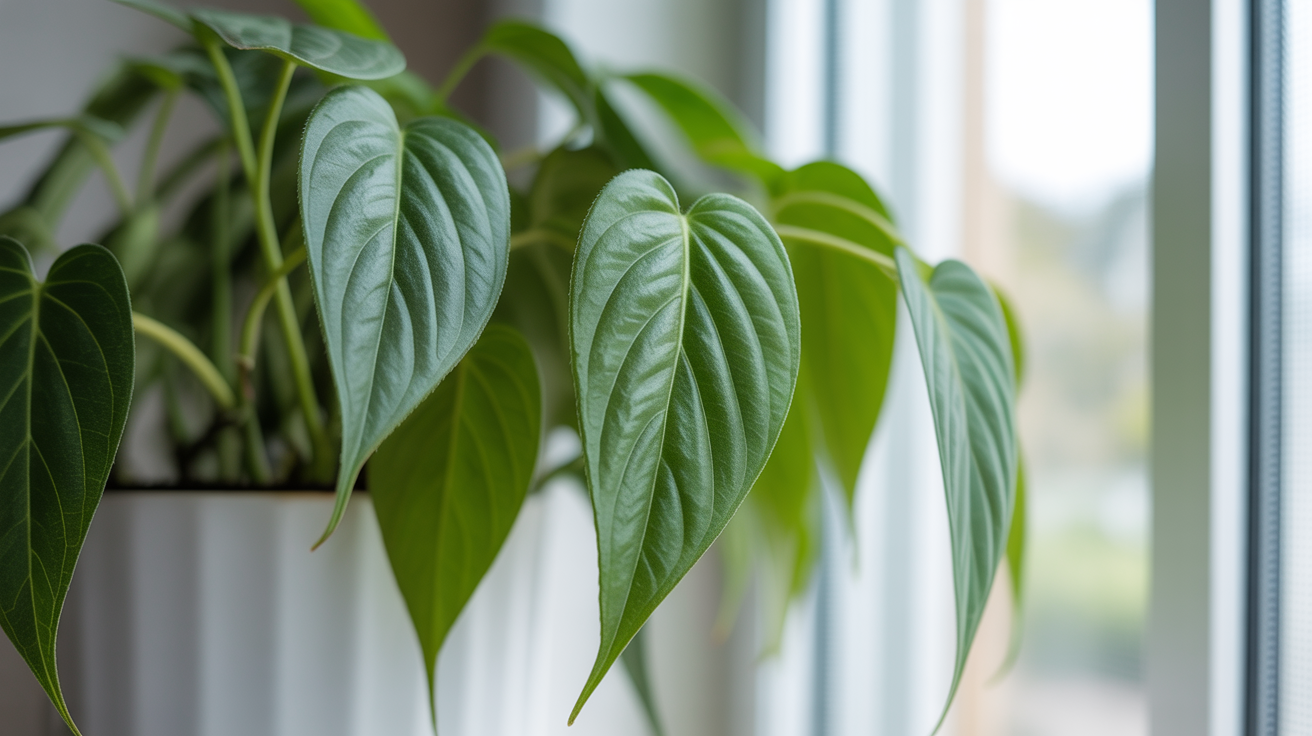
Drooping leaves are one of the first signs a plant sends when something is off. The encouraging part is that most causes are fixable, and some plants bounce back within hours once the underlying problem is corrected. The harder part is figuring out which problem you're dealing with, because underwatering and overwatering produce a surprisingly similar look from the outside, and a few other issues can complicate the picture further.
This guide walks through the main reasons houseplant leaves droop, how to tell them apart, and what to do in each case.
At a Glance
- Check the soil before anything else. Dry and pulling away from the pot means underwatering; damp and heavy usually means overwatering or root rot.
- Most underwatered plants recover within 2 to 4 hours of a thorough, drain-through watering.
- Yellowing plus drooping leans toward overwatering, not thirst; drought stress alone rarely turns leaves yellow first.
- Cold drafts and hot glass both cause drooping even when the soil moisture is fine, so check the plant's exact spot, not just the pot.
- Root-bound plants dry out fast because there isn't enough soil left to hold water, which can look identical to underwatering.
- A sudden droop with no watering explanation is worth a close look at leaf undersides and the soil surface for pests.
Underwatering: The Most Common Cause
Underwatering is the single most frequent reason a houseplant wilts. When soil dries out completely, roots lose access to moisture and the plant can no longer maintain the internal water pressure (called turgor) that keeps leaves firm and upright. The result is limp, papery foliage that may also curl at the edges or feel slightly thin between your fingers.
Signs That Underwatering Is the Problem
Check these before doing anything else:
- Soil feels bone dry 3 to 5 cm (1 to 2 inches) below the surface
- The pot feels unusually light when you lift it
- Leaves are thin, slightly crispy, or paler than usual
- The plant hasn't received a thorough watering in more than two weeks
Most tropical houseplants do best when you water thoroughly once the top couple of inches of soil have dried out. For something like a pothos or peace lily, that generally means watering every 7 to 10 days during the growing season. For a rubber tree or ZZ plant, waiting 14 days or longer between waterings is completely normal. The University of Maryland Extension's guidance on watering indoor plants puts it plainly: check the soil two inches down with a finger rather than sticking to a fixed calendar, since pot size, light, and season all change how fast a plant actually dries out.
How to Fix an Underwatered Plant
Water slowly and thoroughly until water drains freely from the drainage holes. If the soil has pulled away from the sides of the pot, it may have become hydrophobic, meaning water channels down the gap without actually soaking in. In that case, set the pot in a saucer of room-temperature water for 20 to 30 minutes so the soil can absorb moisture from the bottom up.
Most plants will noticeably perk up within 2 to 4 hours of a proper watering. If yours is still limp the following morning, underwatering probably isn't the only issue.
Overwatering Looks Almost Identical
This is where a lot of people get tripped up. Overwatered plants droop too, and the leaves can look just as limp as an underwatered one. The mechanism is different, though. Waterlogged soil pushes oxygen out of the pore spaces, roots suffocate and begin to rot, and the plant can no longer move moisture to the leaves even though the pot is completely saturated.
Clues That Overwatering Is the Culprit
- Soil feels damp or soggy at the surface or a few inches down
- Leaves are yellowing as well as drooping, often starting with older lower leaves
- There is a musty or sour smell coming from the pot
- You have been watering on a fixed schedule regardless of how the soil actually feels
Checking for Root Rot
If you suspect overwatering has been going on for a while, tip the plant out of its pot and take a look at the roots. Healthy roots are white or pale tan and firm to the touch. Rotten roots are brown or black, soft, and may smell unpleasant. Snip off any rotted sections with clean scissors, let the root system air out for an hour, then repot into fresh, well-draining soil. Hold off on watering for three to five days after repotting to let any cuts begin to callous. For a step-by-step walkthrough of the whole process, including how much of the root system a plant can lose and still recover, see how to treat root rot and save your plant.
Going forward, water only when the soil signals it needs it. Inserting your finger 3 to 5 cm (1 to 2 inches) into the soil and watering only when it feels dry is far more reliable than any fixed schedule. If you consistently can't tell which problem you're facing from the leaves alone, our comparison of overwatering versus underwatering breaks down the soil, leaf, and root differences side by side.
Temperature, Drafts, and Heat Stress
Drooping doesn't always point to watering habits. Temperature extremes and sudden environmental changes can wilt a plant just as effectively, and they're easy to overlook.
Cold Drafts and Winter Windowsills
Most tropical houseplants prefer temperatures between 15°C and 27°C (60°F and 80°F). Cold air from an air conditioning vent, a drafty single-pane window, or a door that opens frequently to the outdoors can cause leaves to go limp quickly. This problem is especially common in winter, when heating systems cycle on and off and the area near a glass pane can be several degrees cooler than the rest of the room.
Check whether your plant is sitting close to a vent, a gap in a window frame, or an exterior wall that chills overnight. Moving the pot just 30 to 60 cm (1 to 2 feet) away from the cold source often stops the drooping within a day or two.
Heat Stress and Strong Direct Sun
The opposite problem occurs when a plant sits directly against a south- or west-facing window in summer, with afternoon sun heating the glass. Leaves may droop by midday even when the soil has adequate moisture, because the plant is losing water through its foliage faster than the roots can supply it. Bright, indirect light suits most tropical houseplants better than harsh direct rays. Adding a sheer curtain or moving the plant back from the glass by 30 cm (12 inches) can make a real difference.
Low Humidity and Root-Bound Pots
When the Air Is Too Dry
Many popular houseplants, including calatheas, ferns, monsteras, and peace lilies, come from humid environments and struggle when indoor air is dry. The University of Maryland Extension notes that most indoor environments lack sufficient humidity for healthy houseplants, particularly in winter, when forced-air heating strips moisture out of the room. The leaves lose moisture faster than the roots can replace it, leading to drooping and brown leaf tips as a secondary sign. A basic hygrometer costs very little and gives you a real reading to work with, and most humidity-loving tropicals are happiest above roughly 40 percent relative humidity.
If your hygrometer reads low, grouping plants together so they share transpired moisture, placing a tray filled with pebbles and water beneath the pot (making sure the pot base sits above the waterline), or running a small humidifier nearby can all raise the local humidity meaningfully. Our guide to raising humidity for indoor plants covers the setup for each method, including how to avoid overdoing it in a small room.
Plants That Have Outgrown Their Pot
A plant that has become root-bound can droop even when you're watering correctly. When the root mass fills the entire container, there's very little soil left to hold moisture, and the plant dries out within a day or two of watering rather than a week or more. Roots circling the bottom of the pot or escaping through drainage holes are the clearest signal.
Move up one pot size (roughly 5 cm / 2 inches wider than the current pot) using fresh, well-draining soil. Spring is the ideal time for this, though a severely pot-bound plant can be repotted any time of year if the drooping is persistent. If you've never repotted a houseplant before, how to repot a houseplant without killing it walks through the timing and technique in more detail.
Pests That Cause Wilting
A sudden, unexplained droop on a plant that has adequate water, reasonable light, and stable temperatures should prompt a close look at the foliage and soil surface. Several common houseplant pests can weaken a plant enough to cause wilting.
Spider mites cluster on the undersides of leaves and drain cell fluids, causing stippled, drooping foliage and often fine webbing between stems. The UC IPM Pest Note on spider mites describes the mites as barely visible without magnification, less than 1/20 inch long, which is why the damage (stippling and webbing) is often noticed before the pest itself. If you suspect mites, our guide to identifying and treating spider mites walks through how to confirm and treat an infestation step by step.
Fungus gnats are a less obvious culprit. The adults hover harmlessly around the soil surface, but their larvae live in the top few inches of the growing medium and chew on fine feeder roots. This damage reduces the plant's ability to absorb water, and the result can look a lot like underwatering. If you're seeing tiny flies alongside wilting, the guide to getting rid of fungus gnats explains how to break the pest's lifecycle using soil drenches and sticky traps.
Scale insects and mealybugs drain plant energy more slowly, but heavy infestations eventually leave foliage looking tired and limp. Check stems, leaf axils, and the undersides of leaves for waxy brown bumps or white cottony deposits, especially on new growth. Getting rid of mealybugs on houseplants has the full treatment routine if you find the cottony residue.
Quick Diagnosis Reference
Use this table to narrow down the cause before you change anything about your care routine.
| Symptom Combination | Soil Condition | Likely Cause | First Fix |
|---|---|---|---|
| Limp, thin, slightly crispy leaves | Bone dry 2+ inches down | Underwatering | Water thoroughly, check drainage |
| Limp leaves plus yellowing | Damp or soggy | Overwatering / root rot | Unpot, inspect roots, repot if needed |
| Drooping only near a window or vent | Normal moisture | Temperature stress | Move 1 to 2 feet from the draft or glass |
| Drooping plus brown crispy tips | Normal moisture, dry air | Low humidity | Pebble tray, grouping, or humidifier |
| Drooping days after watering, fast dry-out | Dries out in 1 to 2 days | Root-bound | Repot one size up |
| Drooping plus stippling or webbing | Normal moisture | Spider mites | Isolate, treat, recheck in a week |
Frequently Asked Questions
My plant droops even right after I water it. What's going on?
If wilting continues or worsens right after watering, the soil may have become so dry that it repelled the water instead of absorbing it. Try setting the pot in water for 20 to 30 minutes and let the soil rehydrate from below. Another possibility is root rot: damaged roots cannot move water to the leaves regardless of how much moisture is present. Unpotting the plant and inspecting the roots will tell you quickly which problem you're dealing with.
How long does it take for a wilting plant to recover after watering?
Most plants with straightforward underwatering will perk up within 1 to 4 hours of a thorough watering. Severely drought-stressed plants may take up to 24 hours. If the plant is still limp the following morning, something else is contributing to the problem.
Can overwatering and underwatering really look the same?
Yes, the leaf symptoms overlap significantly. The clearest difference is the soil condition. Dry and pulling away from the pot sides points to underwatering. Soggy and compacted points to overwatering. Yellowing alongside the drooping leans toward overwatering or root rot rather than drought.
Should I mist my plant to help with drooping?
Misting adds only a brief humidity boost to the immediate leaf surface and won't fix the underlying cause of drooping. If the issue is underwatering, misting the foliage doesn't replace what the roots need. If the issue is consistently low humidity, a humidifier or pebble tray is a more reliable long-term solution.
Could drooping leaves signal other problems too?
Drooping and yellowing leaves often appear together, since many of the same stressors trigger both symptoms: overwatering, root rot, cold exposure, and certain pest infestations can cause both at once. If you see the two symptoms combined, check soil moisture, root condition, temperature, and pests before settling on a fix.
Is it normal for a plant to droop for a day or two after repotting?
Yes. Repotting disturbs roots even when it's done carefully, and a temporary droop for one to three days afterward is a normal adjustment response rather than a sign something went wrong. Keep the soil lightly moist but not soaked during this window, hold off on fertilizer, and give the plant slightly less direct light than usual until new growth confirms it has settled in.