Indoor Setup
The Best Plants for Bathrooms and High Humidity
Find the best bathroom plants that thrive in humidity and low light, from pothos to ferns, with concrete care tips for every bathroom setup.
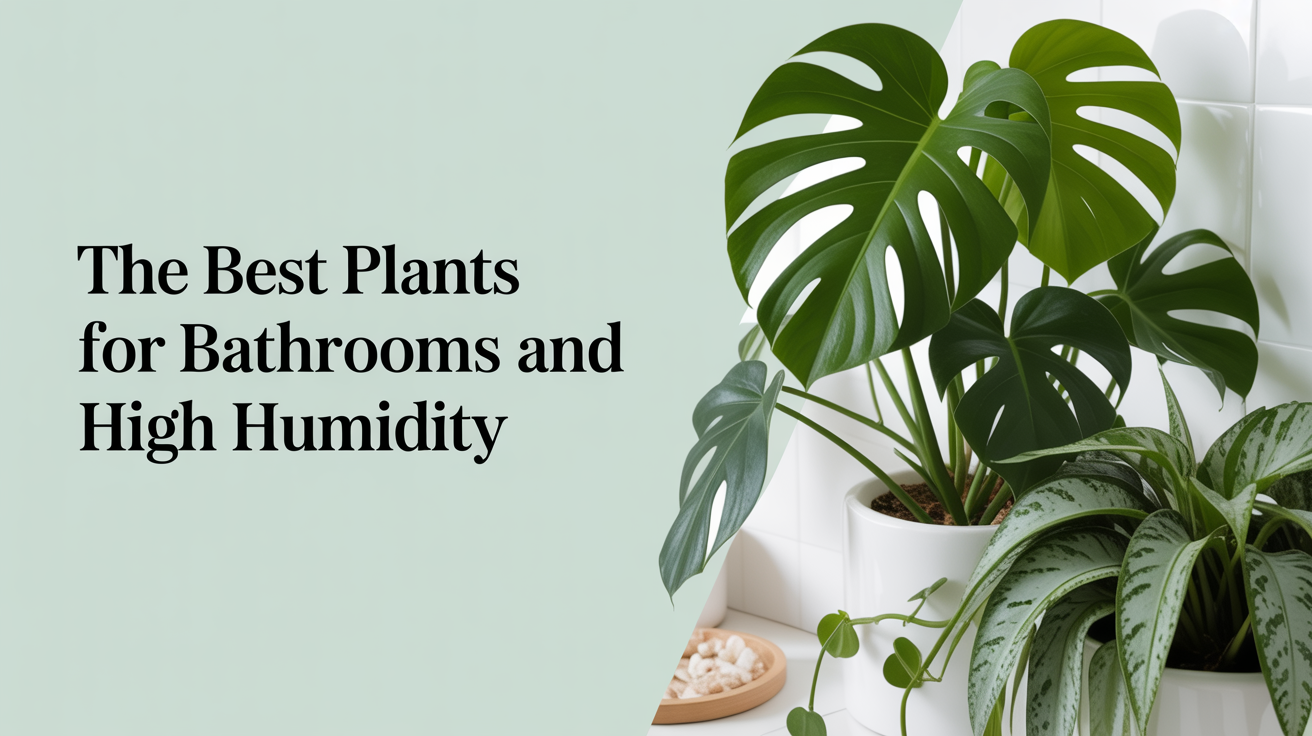
Bathrooms offer something most rooms in a home cannot: steady moisture in the air. For the right plants, that humidity is a genuine advantage rather than a problem to manage. The catch is that most bathrooms also have limited natural light, awkward shelf space, and temperature swings between a steamy morning shower and a cooler evening. Choosing plants that actually like those conditions makes all the difference.
The best bathroom plants tolerate or prefer humidity above 50%, handle indirect or filtered light, and do not mind occasional temperature fluctuations between roughly 60°F (15°C) and 80°F (27°C). A handful of common houseplants check all three boxes, and a few of them positively thrive in the environment a busy bathroom provides.
At a Glance
- Boston fern and calathea benefit the most from bathroom humidity; both struggle in a dry living room but thrive here with no extra misting.
- A windowless bathroom still needs supplemental light. Humidity alone will not keep a plant alive without at least some light source.
- Boston ferns and spider plants are the only two on this list that are non-toxic to cats and dogs.
- Never let a plant sit directly in the shower spray. Mist reaching it on a nearby shelf is fine; repeated soaking of the soil is not.
- Terracotta pots dry out faster than plastic or glazed ceramic, even in a humid bathroom, so check them more often.
- Water bathroom plants less often than the same species elsewhere in the house. Higher ambient humidity slows soil evaporation.
What a Bathroom Environment Actually Offers
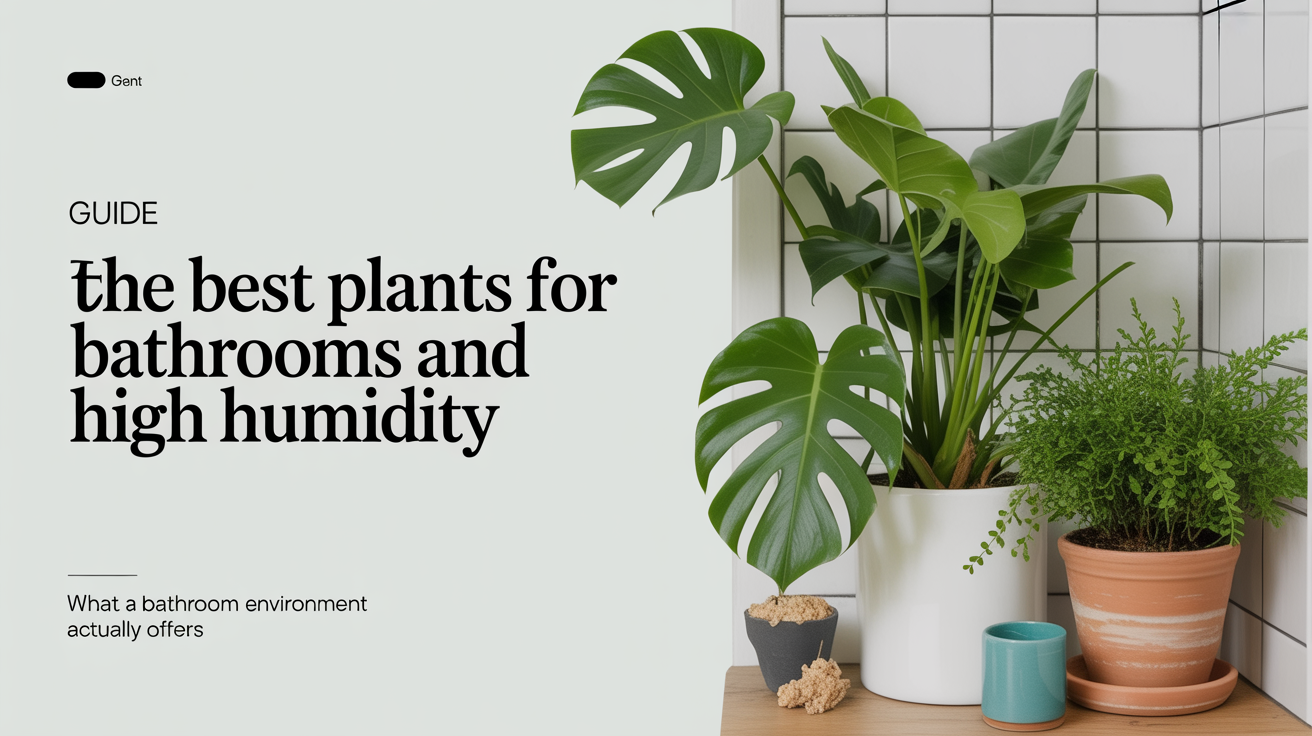
Before buying anything, it helps to understand what your bathroom provides and what it does not.
Light
Most bathrooms receive less natural light than other rooms. A small frosted window, a high transom pane, or a window facing a wall are common setups. Plants placed near that window might receive 50 to 200 foot-candles of indirect light depending on window size and orientation. That rules out sun-hungry plants like succulents and cacti, but it suits ferns, pothos, and peace lilies without any adjustment.
If your bathroom has no window at all, most plants will struggle regardless of how much humidity is present. A small grow light placed on a 12-hour timer can fill that gap. A beginner's guide to grow lights explains what to look for without overcomplicating the purchase.
Humidity and Temperature
A bathroom after a shower typically reaches 70 to 90% relative humidity, then settles back down over the next hour or two. The average stays higher than in a living room, which usually hovers between 30 and 50%. University of Maryland Extension notes that most indoor environments, especially in winter, lack the humidity tropical houseplants prefer, which is exactly the gap a well-used bathroom fills on its own without a humidifier or pebble tray.
Temperature swings are worth noting. A bathroom used for morning showers might sit at 62°F (17°C) overnight, then climb to 80°F (27°C) during a hot shower. Most tropical houseplants tolerate this range, but cold drafts near drafty or old windows can cause sudden drops that stress them into brown leaf tips or dropped foliage. For a deeper look at how indoor humidity works across a whole home, not just a bathroom, see our guide on raising humidity for indoor plants.
The Best Plants for Bathrooms
These plants work well as bathroom plants because their natural habitats share something with what a bathroom offers: filtered light under a forest canopy and consistently moist air.
Pothos
Pothos is probably the most forgiving bathroom plant available. It tolerates low light, bounces back from irregular watering, and actively prefers humidity. In a bathroom, its trailing vines grow noticeably faster compared to drier rooms elsewhere in the house.
Water pothos when the top inch (2.5 cm) of soil feels dry, roughly every 7 to 10 days in a warm bathroom. It grows happily in temperatures between 60°F (15°C) and 85°F (29°C) and does not need direct sun. A high shelf near a window or a hanging pot works well for trailing varieties. Note that pothos is toxic to cats and dogs. Our pothos care guide for beginners covers general care if you're growing it elsewhere in the house too.
Peace Lily
Peace lilies are one of the few flowering plants that genuinely prefer low light. They tolerate indirect light as dim as 50 foot-candles and respond well to the humid air a bathroom provides. A frosted or filtered window suits them without any adjustment on your part.
Water deeply when the top inch of soil is dry. Peace lilies droop slightly as a clear signal that they need water, then perk back up within hours of a good soak. Avoid temperatures below 55°F (13°C), which causes brown leaf tips even in otherwise healthy plants. Peace lilies are toxic to cats and dogs, so keep them on a shelf out of reach in pet-occupied homes. Our full peace lily care guide covers getting repeat blooms out of it.
Boston Fern
Boston ferns are among the most humidity-loving plants available for indoor growing. NC State Extension specifically recommends placing them "near kitchens and bathrooms for higher humidity," and warns that dry air invites scale insects or spider mites, two of the most common problems Boston ferns develop in an ordinary living room. In a dry room they shed fronds constantly; in a bathroom they often thrive with far less attention.
Place a Boston fern near a window with indirect light and keep the soil evenly moist but not waterlogged, since NC State notes the soil "should never be allowed to dry out" completely. Water roughly every 5 to 7 days in warm months, less in winter when growth slows. Temperatures between 60°F (15°C) and 75°F (24°C) suit them best. They typically grow 2 to 3 feet tall and wide at maturity, and are non-toxic to cats and dogs according to the ASPCA, which makes them a good choice for households with curious pets.
Spider Plant
Spider plants are fast-growing and genuinely unbothered by a range of light and humidity conditions. A bathroom provides more moisture than they strictly need, but they handle it well and produce offshoots (spiderettes) at a good pace in warm, humid conditions, so a single plant can quickly populate a shelf.
Water every 7 to 10 days, letting the soil dry out halfway between waterings. Spider plants prefer temperatures between 60°F (15°C) and 80°F (27°C) and tolerate light levels from indirect bright light down to fairly dim conditions. They are safe for both cats and dogs.
Calathea
Calatheas are notorious for being difficult in dry rooms because they need consistent humidity above 50%. A bathroom removes that problem almost entirely. Their patterned, colorful leaves stay flat and vibrant in a humid space, while the same plant in a dry bedroom might curl or develop brown edges within weeks.
Use filtered or distilled water if your tap water is heavily chlorinated or high in fluoride; calatheas are sensitive to mineral buildup and will develop white-tipped leaves over time with hard tap water. Water when the top inch of soil is dry, roughly every 7 days. Maintain temperatures above 60°F (15°C) and keep them away from cold drafts. Our dedicated calathea care guide covers leaf curling and the other stress signals specific to this genus.
Snake Plant
Snake plants tolerate low light and irregular watering, and their upright form fits narrow shelves or the floor beside a vanity without taking up much floor space. They are less reliant on humidity than the other plants listed here, but they hold up well in a bathroom environment.
Water every 14 to 21 days in a bathroom, as the higher ambient humidity slows evaporation from the soil. Overwatering is the main risk; let the soil dry fully between waterings. Snake plants prefer temperatures above 60°F (15°C). They are toxic to cats and dogs. See our complete snake plant care guide for repotting and propagation.
Quick-Reference Table
| Plant | Humidity Preference | Light | Water Frequency (Bathroom) | Pet Safe? |
|---|---|---|---|---|
| Pothos | Moderate to high | Low to bright indirect | Every 7 to 10 days | No |
| Peace lily | Moderate to high | Low indirect | Every 7 to 10 days | No |
| Boston fern | High (above 60%) | Bright indirect | Every 5 to 7 days | Yes |
| Spider plant | Low to moderate | Bright to dim indirect | Every 7 to 10 days | Yes |
| Calathea | High (above 50%) | Medium indirect | Every 7 days | No |
| Snake plant | Low (tolerates high) | Low to medium indirect | Every 14 to 21 days | No |
Only Boston fern and spider plant are non-toxic to cats and dogs. The rest are fine in a bathroom used mostly by adults, but worth placing on a high shelf if pets have access to the room.
Placing Bathroom Plants Well
The right container and position matter as much as the right species.
A plant placed inside a shower stall should move out periodically rather than living there permanently. Most houseplants cannot handle repeated direct wetting of their foliage day after day, and saturated soil that never dries is a fast route to root rot. Using a plant as a shower plant works best if it sits on a ledge where mist reaches it without the soil getting drenched each time.
For shelves and counters, choose pots with drainage holes and a saucer to protect the surface underneath. A well-draining mix matters more here than in a drier room, since the ambient humidity already slows how fast the soil surface dries; the Clemson Cooperative Extension guide to indoor plant soil mixes recommends a soilless mix of peat or coir, perlite, and vermiculite that drains freely while still holding some moisture. Terracotta dries out faster than plastic or glazed ceramic, so plants in terracotta pots need checking more frequently than you might expect even in a humid bathroom. A guide to choosing the right pot for your plant covers how pot material affects how often you need to water.
Hanging planters work well above a tub or near a window. Pothos, spider plants, and Boston ferns all trail or arch attractively and do not need a wide surface area to look good.
Plants That Struggle in Bathrooms
Not every plant benefits from bathroom humidity. A few categories to steer clear of:
Succulents and cacti need bright direct light and very dry soil. Bathroom humidity causes their roots to rot and their stems to soften over time. They belong on a bright sunny windowsill elsewhere in the home.
Lavender and rosemary need direct sun and dry air. A humid bathroom is the wrong environment on both counts.
If your bathroom has limited light, a guide to the best low-light houseplants covers a wider range of species suited to dim conditions throughout the home, including some that overlap well with a bathroom setup.
Frequently Asked Questions
Can plants survive in a bathroom with no window?
Without any natural light, most plants will decline slowly regardless of humidity. A windowless bathroom needs supplemental light from a small grow light on a 12-hour timer for most houseplants to survive longer than a few weeks. ZZ plants and cast-iron plants are among the most tolerant of very low light, but they are not immune to complete darkness indefinitely.
Will steam from a hot shower harm my plants?
Brief exposure to steam from a shower is generally fine for humidity-loving plants. Prolonged direct contact with very hot steam can scorch leaves with thin or delicate foliage. Keeping plants on a shelf at head height or above rather than directly in the path of shower spray avoids most issues without moving them out of the room.
How often should I water bathroom plants?
Less often than you might expect. The higher ambient humidity slows evaporation from the soil surface, so the soil stays moist longer than in a drier room. Check the soil rather than watering on a fixed schedule. Most tropical houseplants in a bathroom need water every 7 to 14 days depending on pot size, light level, and season.
Which bathroom plants are safe for cats and dogs?
Boston ferns and spider plants are non-toxic to both cats and dogs. Peace lilies, snake plants, and pothos are all toxic to pets. Always verify a plant's safety before bringing it into a home with animals, and keep anything potentially harmful on a high shelf or behind a closed door.
What humidity level do tropical bathroom plants prefer?
Most tropical houseplants do best with humidity between 50% and 70%. A bathroom after regular showers provides this naturally without any added equipment. If your bathroom dries out quickly between uses, a small bowl of water near the plants or a compact humidifier can help maintain a steady level throughout the day.
Can I put a plant directly on the bathroom counter next to the sink?
Yes, as long as the pot has a saucer to catch drips and splashes from handwashing don't sit against the base of the pot continuously. Counter space near a sink tends to get more indirect light than a shelf tucked into a corner, which works in the plant's favor, but repeated splashing can waterlog the top layer of soil faster than you'd expect. Wipe up standing water around the pot rather than letting it soak in.